

 contains Festival/Fiesta/Art photography.
www.thisfabtrek.com > journey > africa > mali > 20060123-djenne
After Essakane.
Download GPS (KML) track/waypoints.
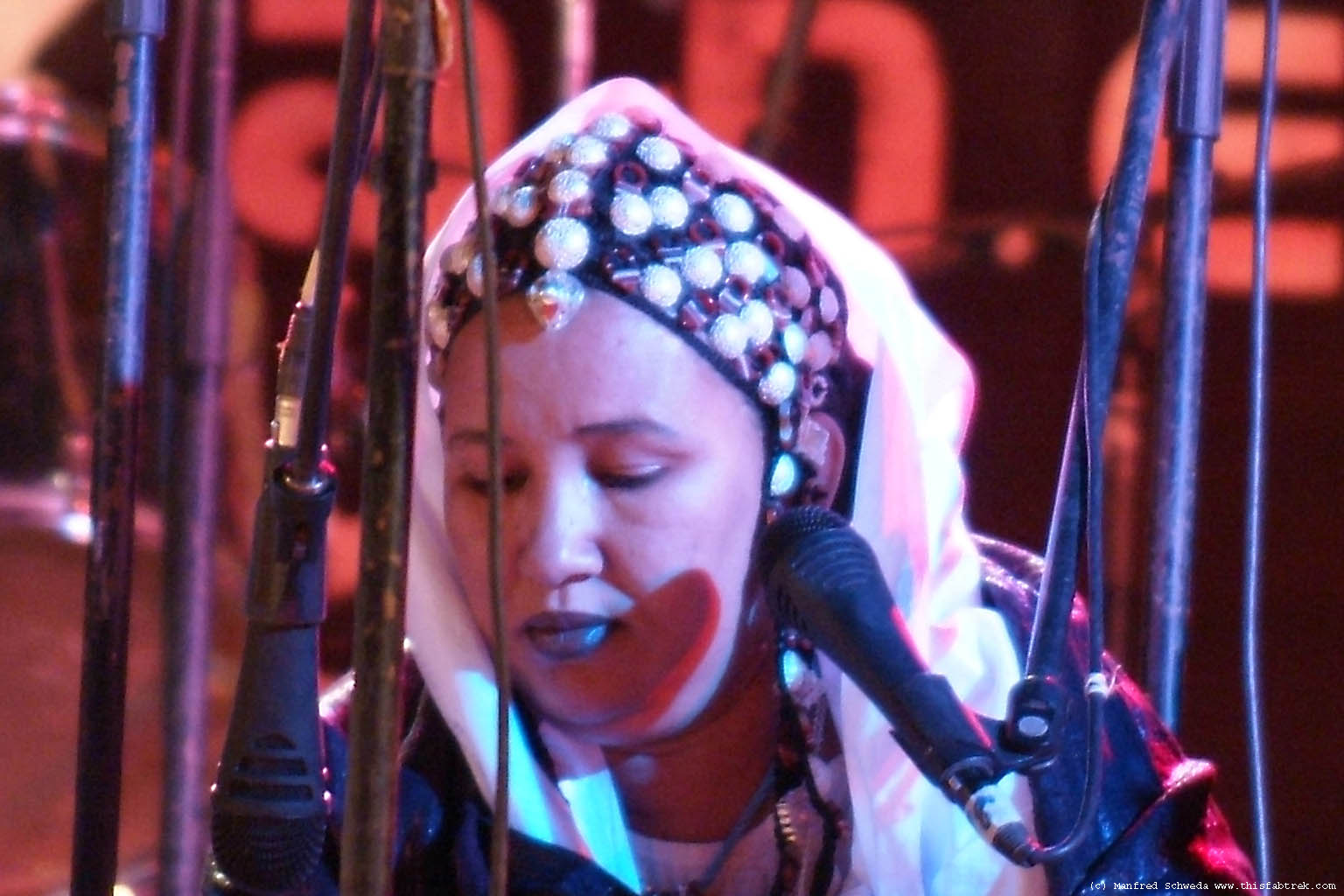
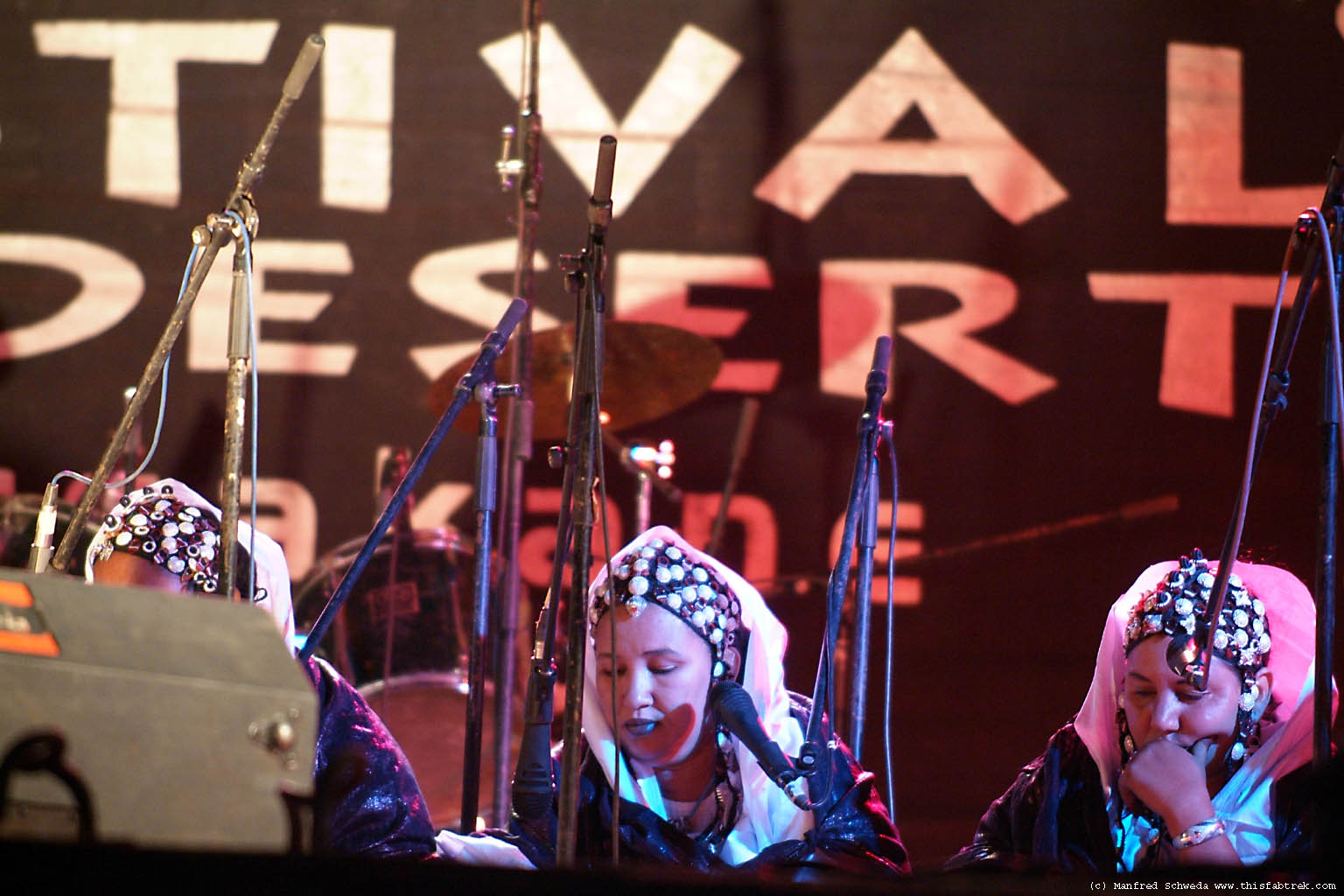
Festival time is tough time, little sleep, lots of booze. Most acts are trailing behind their schedule, late performances even later, some after 3 in the morning.
And nights are getting increasingly cold.
On Sunday around midnight Tiris (from Sahara Occidental) who we have already seen Friday night walks the stage to play again. I am cold and I am tired. I cannot be bothered hanging around for Habib Koite.
But foremost it is never clear whether programmed musicians do actually play.
Cold it is, because a little sandstorm has been picking up over the last couple of hours. It has to be said it is quite amazing how under the circumstances they managed to keep the sound system functioning well. In general sound has been great throughout the festivals' performances.
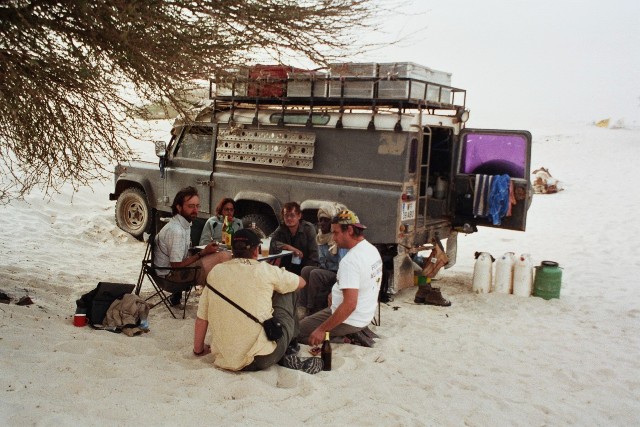
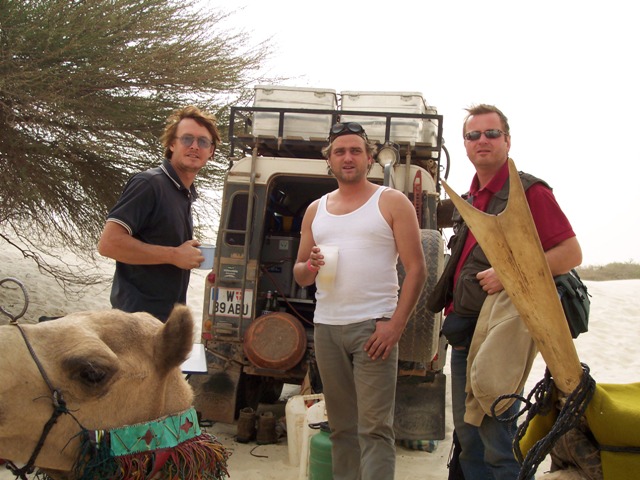
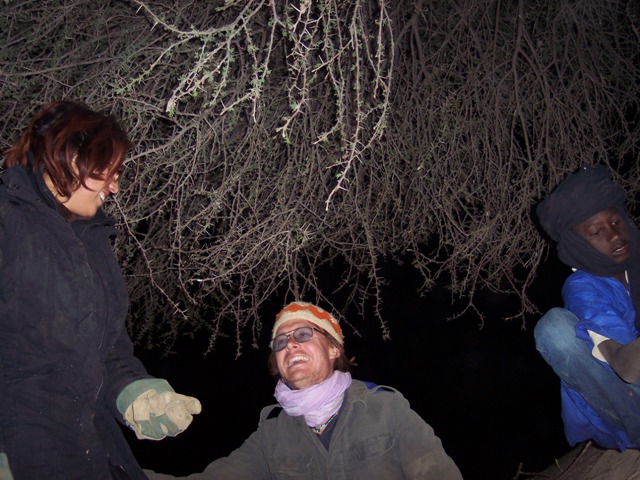
Tired we are, because many new and old friends we have met: 3 guys from Austria, Thomas, Joe, and Gabriel have join us for this Sunday afternoon binge, eating, drinking, playing guitar and reflecting a bit on home, Africa, and music.
The two brothers and one cousin have left their wives and girlfriends at home in the safety of Europe for a little adventure into the African wilderness called the desert festival in Essakane, to discover it is not so wild, leave alone dangerous, just a bit far away. But evenings worth remembering can be had, just like at home.
Andy and Esther from the UK also join our get together. Andy is a filmmaker/journalist, Esther is born in Ghana but spent most of her life in Canada and the UK. They are touring Africa in their 23 year old Toyota Land Cruiser for a year or so. We had met them earlier in November in Zebrabar, St.Louis, Senegal and had already then decided to meet again in Mali.
One more word to Gabriel. He works for Light-for-the-World, a charity dedicated to bringing sight to those many blind people in Africa. "An eye-operation does not cost much at all (30Euros), is a quick low risk procedure" he explains. There web-page is worth a visit.
So this Sunday afternoon we have our own little festival just next to where the Land Rover is parked. And some more people would join in, Henry and Jennifer and ...
Monday 16th of Jan with a thorough hang-over we leave the site of the festival and head back to Tombouctou, the 3 Touareg youngsters Achmed, Salek and Mohammed with us. We had given them a lift to Essakane 5 days ago.
They are happy about the free ride back, and happy with the business (selling desert jewellery) that they were able to conduct during the festival.
There is just one bitter after taste that remains, that makes me wonder, and that I find hard to find an explanation for, a thing that has happened to me involving a German girl. Marion, she actually lives in Cork, Ireland and works occasionally for the butter museum there. Anyway: "WHERE is my sleeping bag that I lent you, I am sure you have a good reasons not to give it back!?" Anyway ... Not giving back a sleeping bag, ... shake my head in disbelieve, ... months later I decide to write this, ... It's not the money, but not giving back a sleeping back is too incomprehensible.
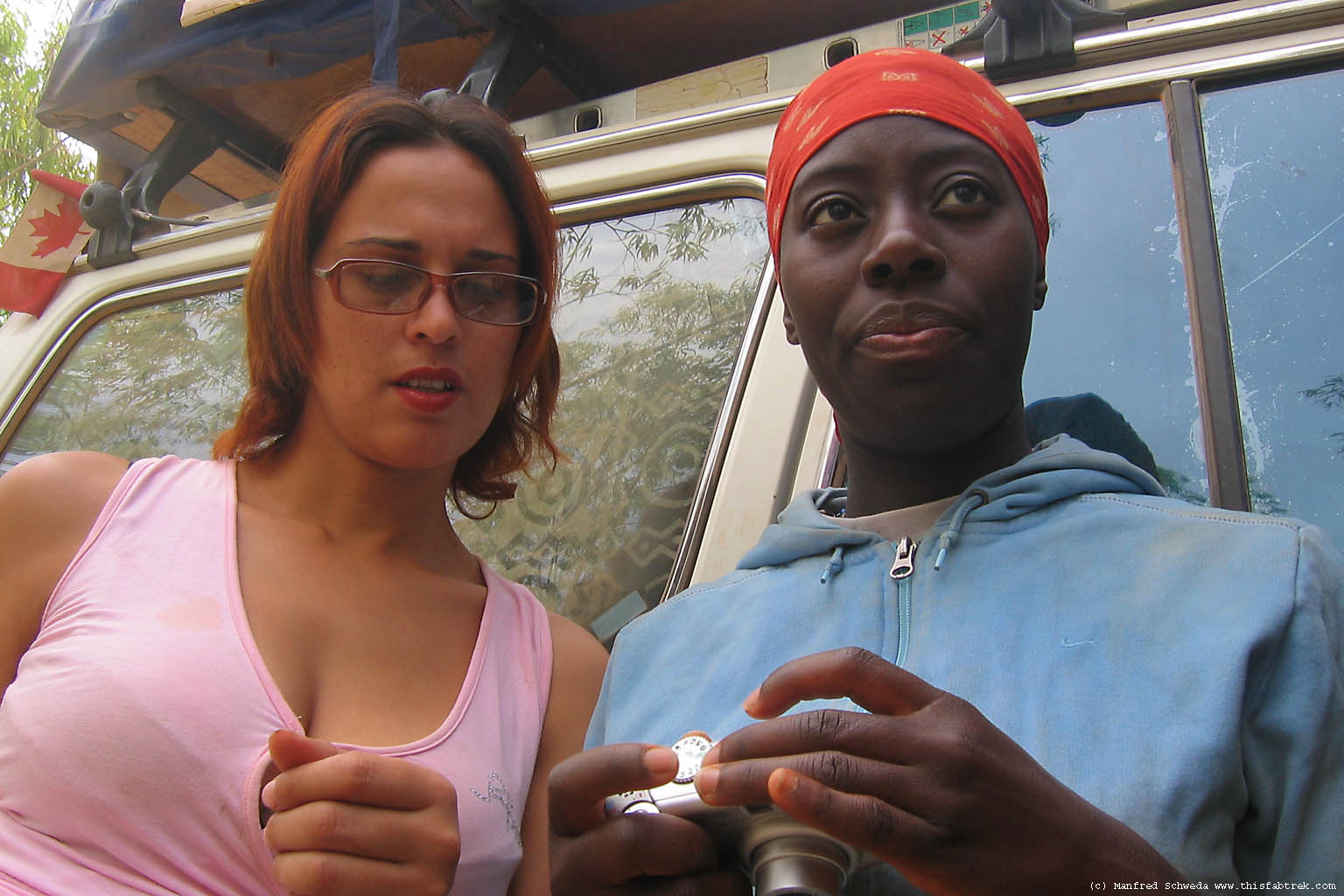
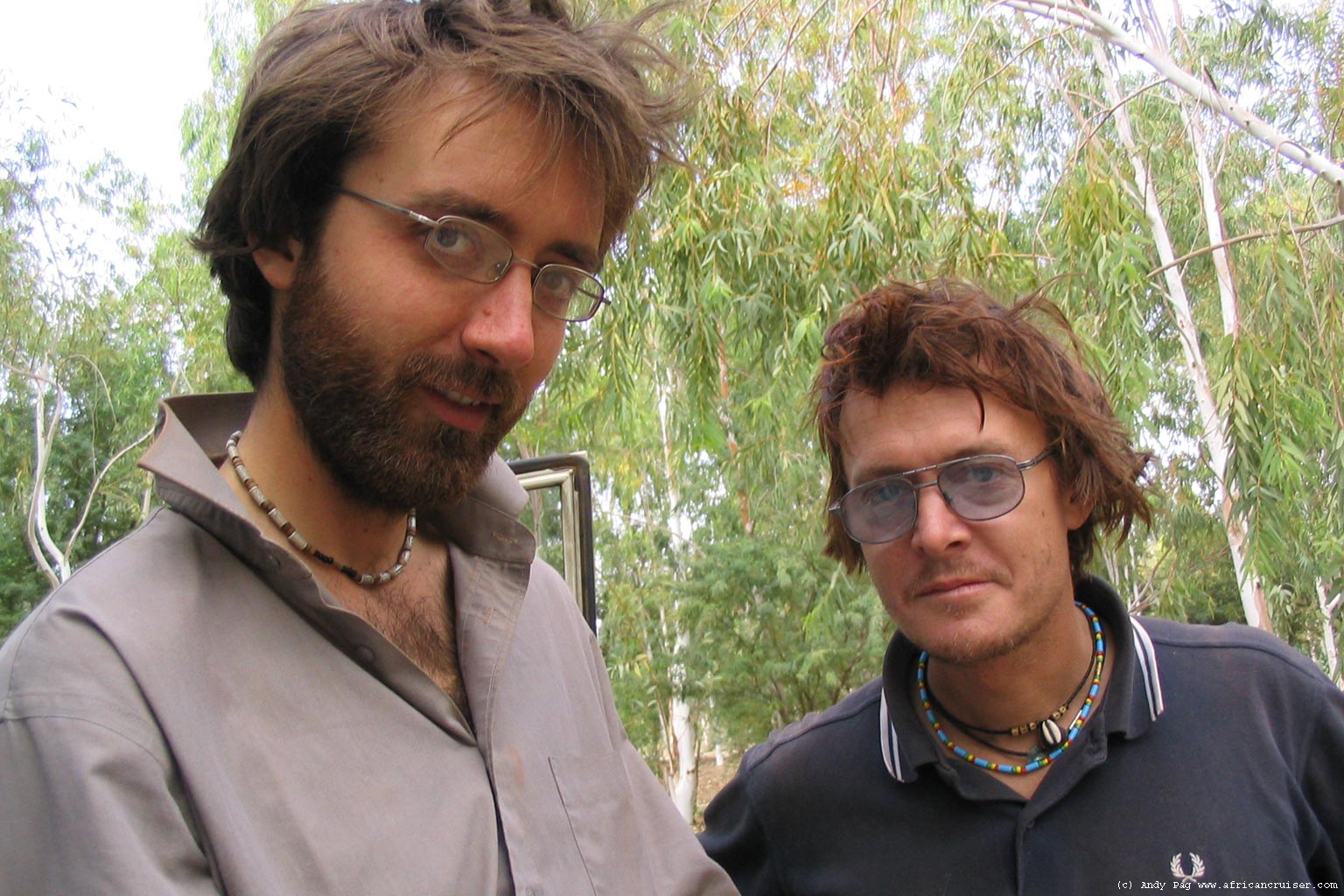
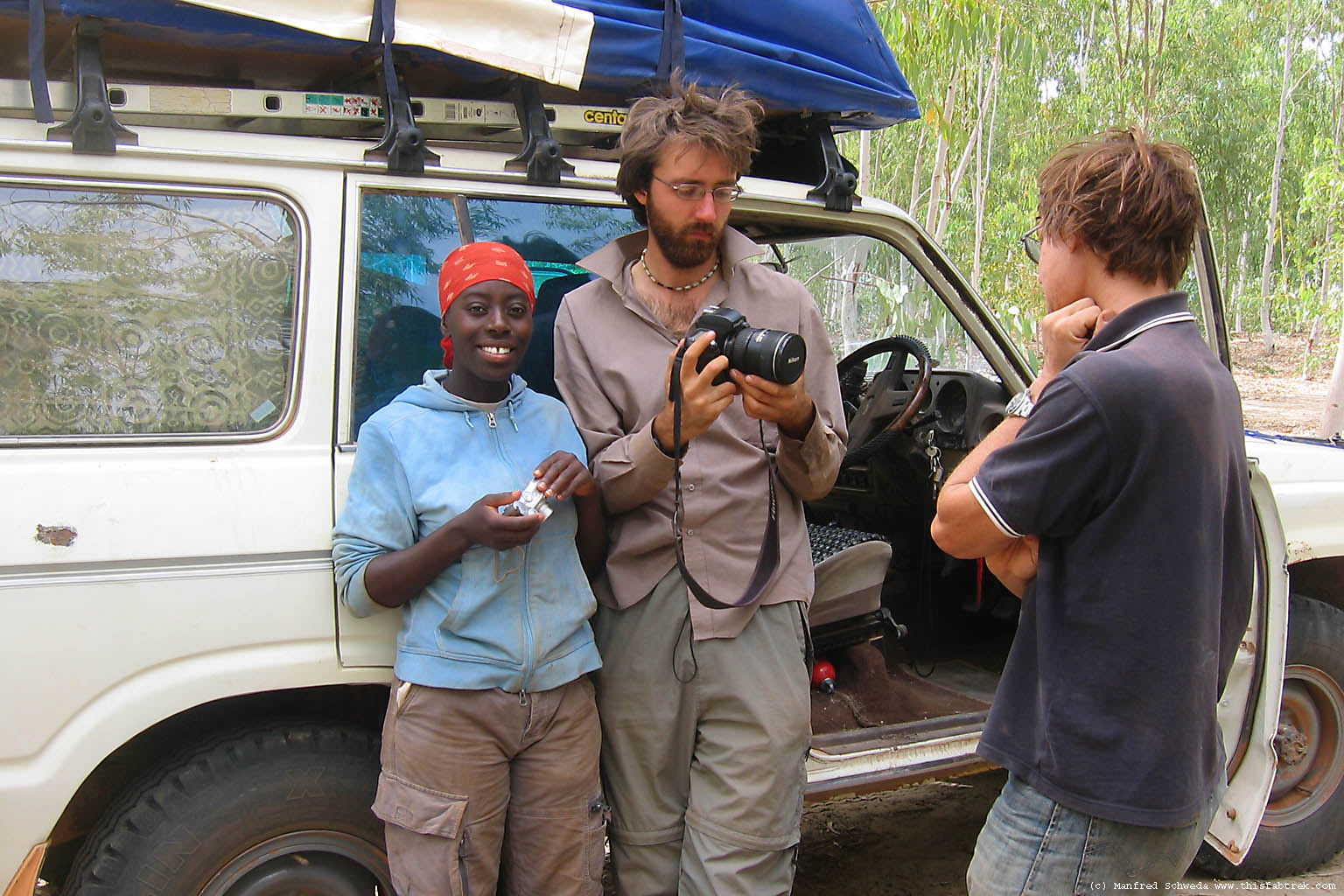
We spend another evening with Andy and Esther before our paths take different directions. A tough good bye as we have gotten so well along with them. They'd be heading for Ghana and further to South Africa, we just back to Segou for the foreseeable future for another big African festival.

Along the Niger river
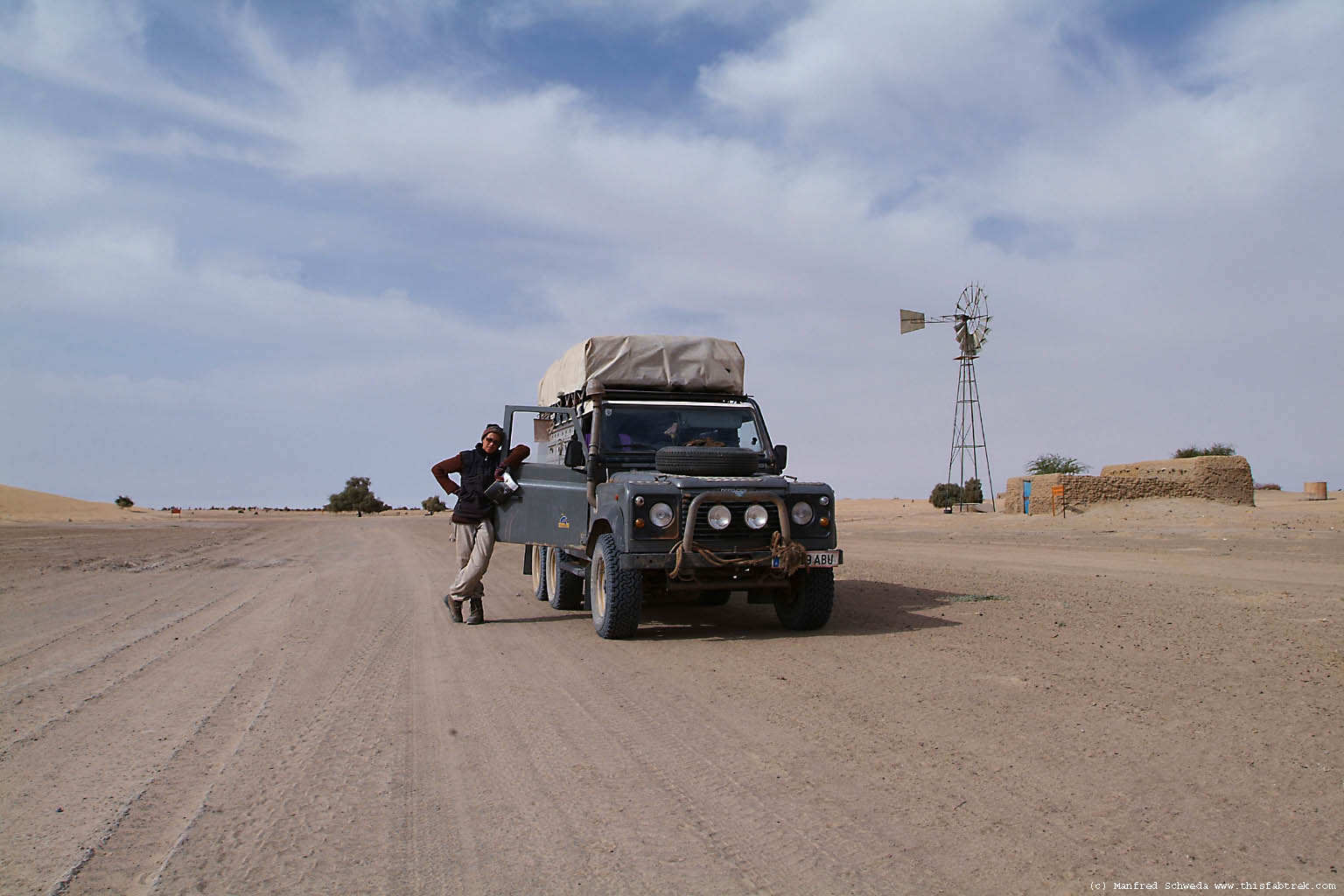
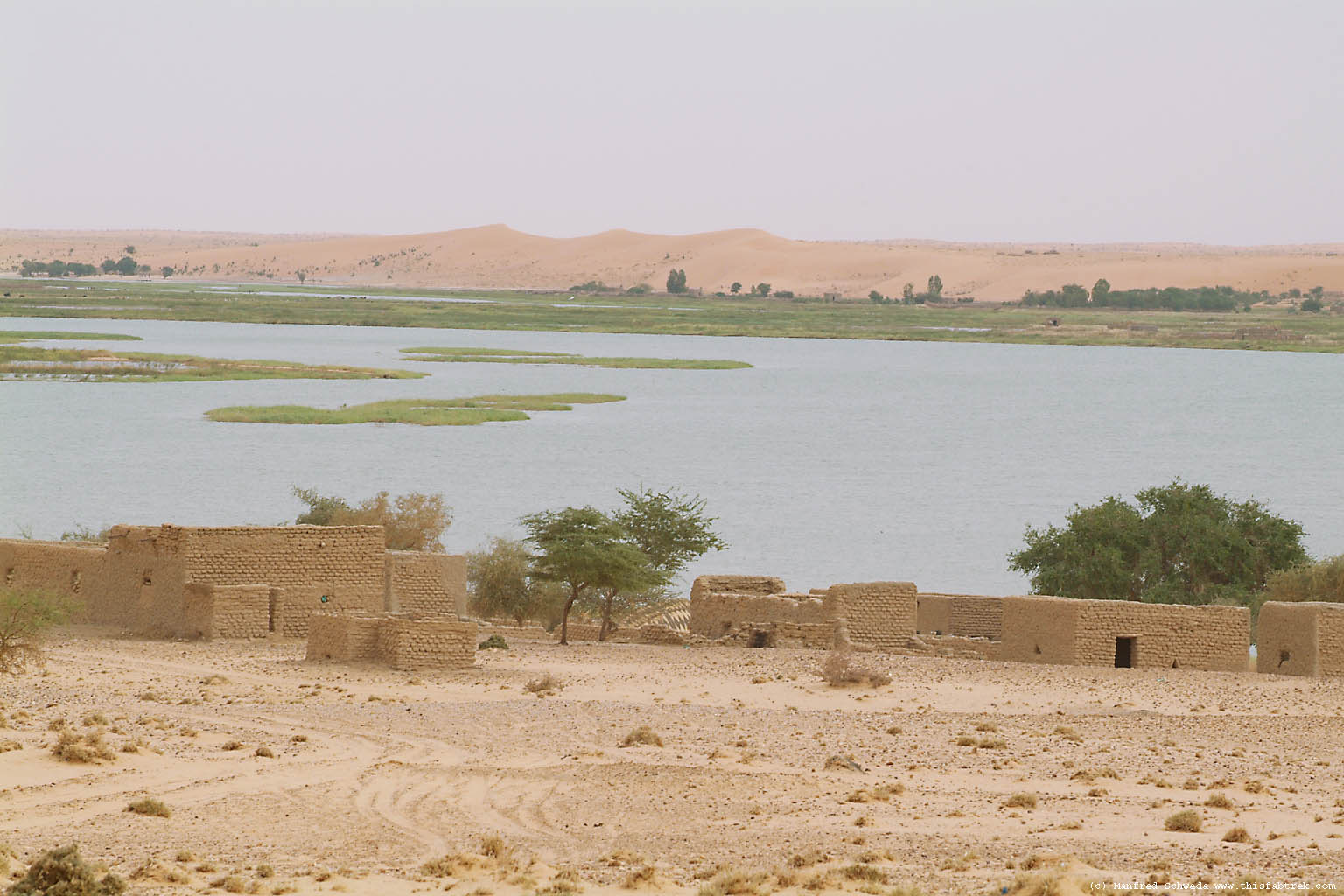
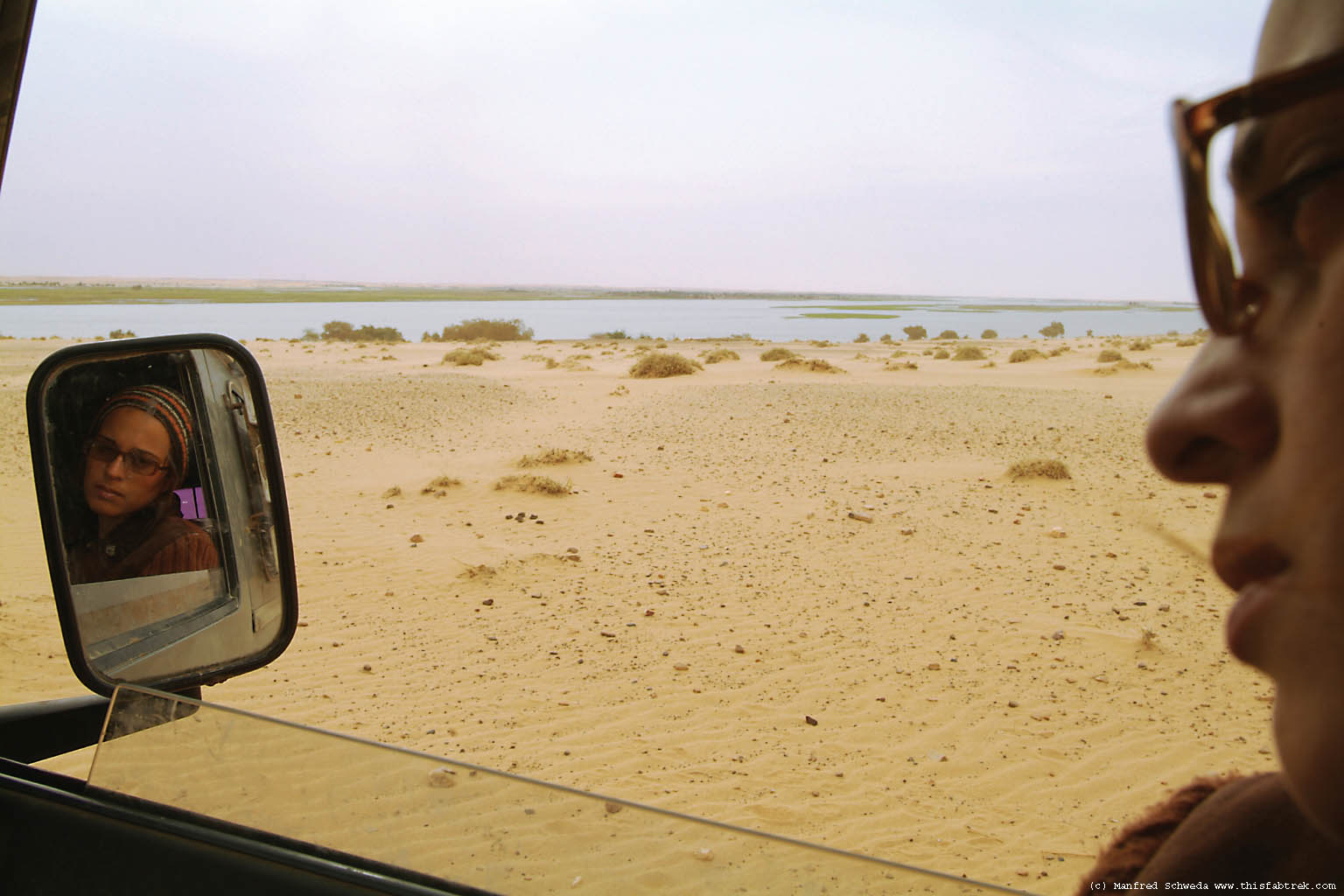
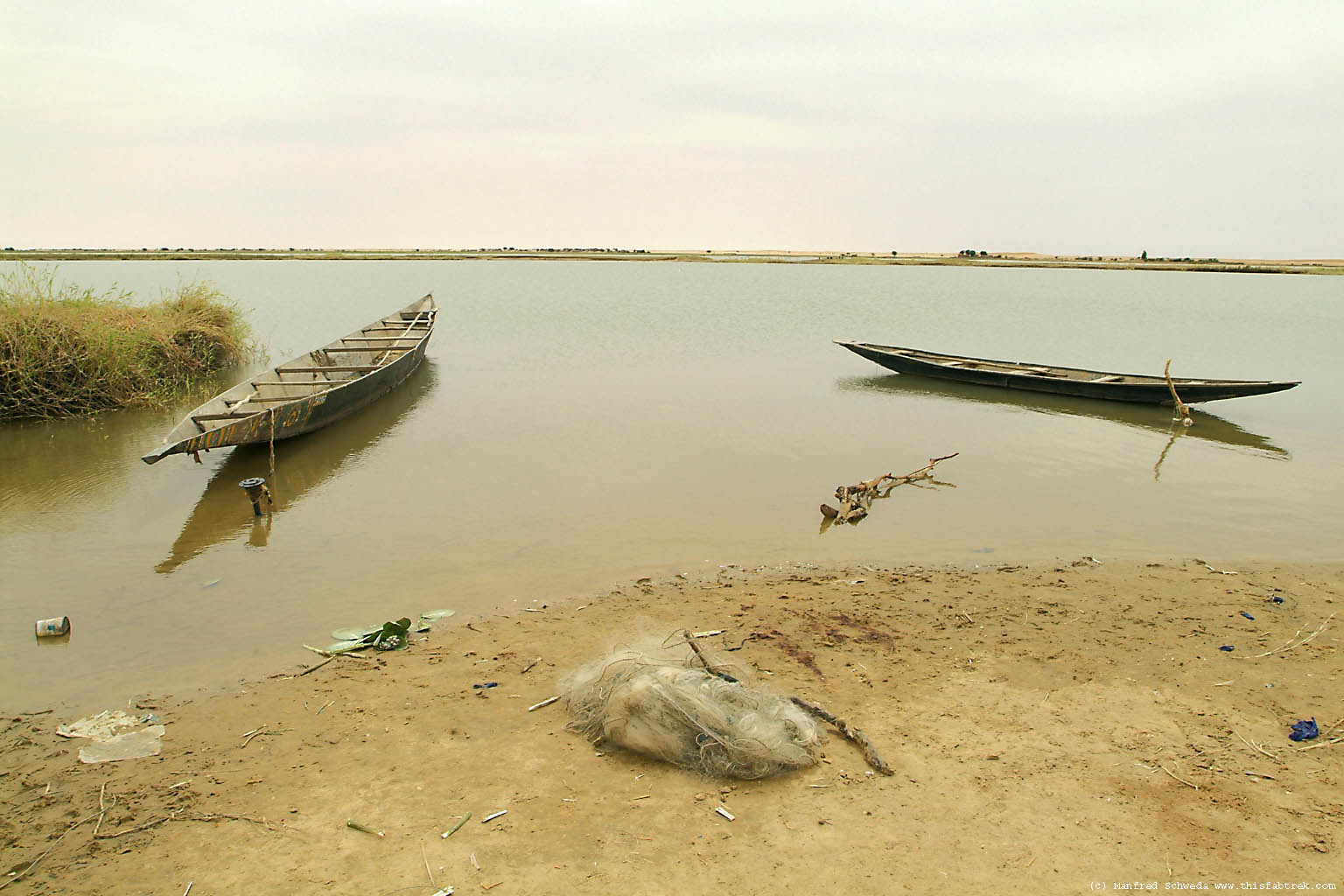
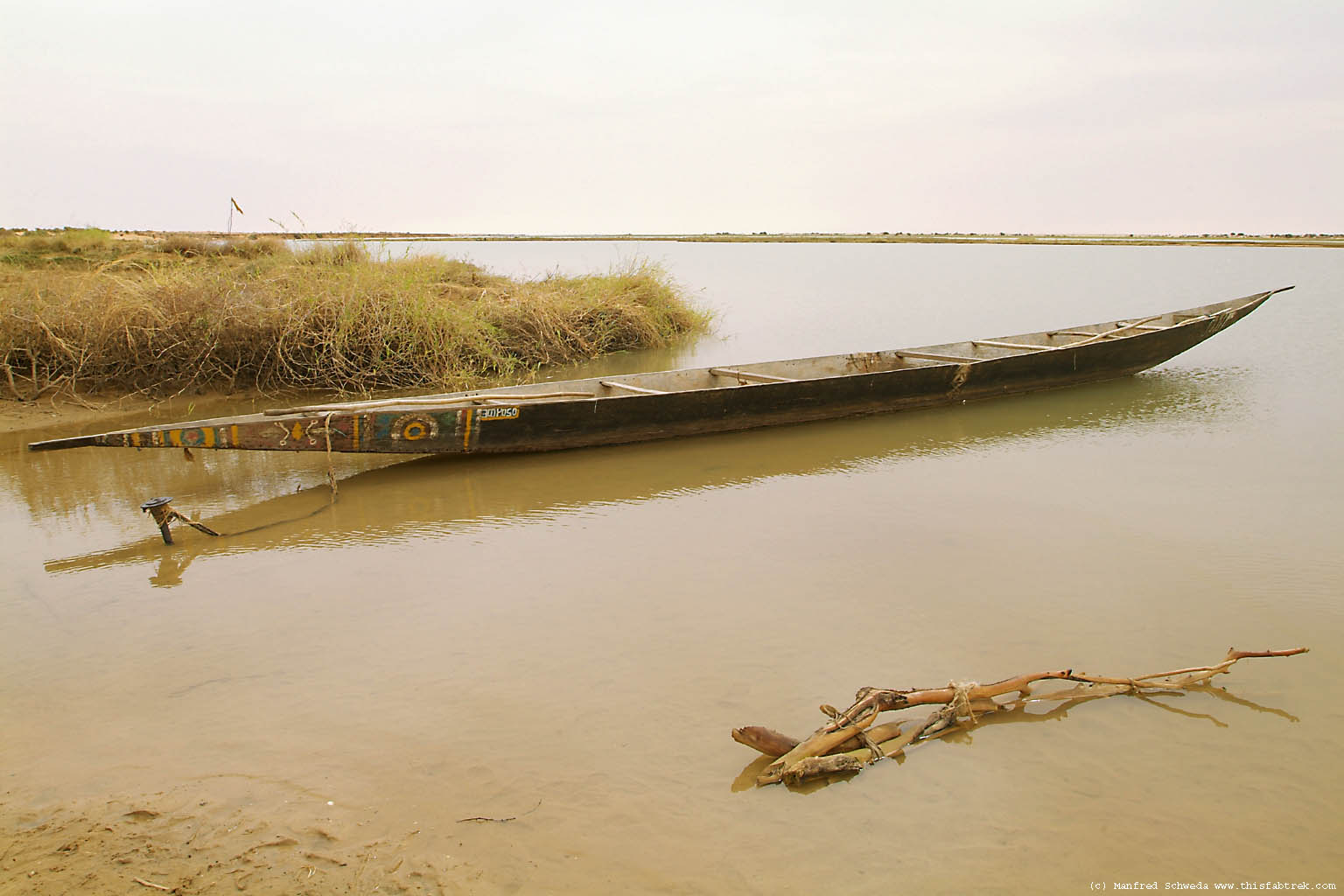
But first we go east, following the sandy piste to the north of the Niger river. Tombouctou, Bourem, Gao some 400km of windy Sahel, Sahel or desert the difference here does not exist anymore. On the banks of the Niger river not even 100m of land is cultivated, the immediate commencement of the desert, sand or stones is disturbing. It seems it is mainly grass to feed goats, cattle and donkeys. The biggest river in West Africa is wide, flat, majestic but is on the list of disappearing rivers. Overwhelmed by the sand.
It is the Tamashek (Touareg) that live here. After the shiny Essakane parades, ordinary people's hardship here becomes visible. The edge of the Sahara does not allow for much. Leave is an option but not for all. Tourism reduces itself to a car or two a day, passing through not stopping. When we stop at the river, we meet people that regard us with some hostility, I feel as if intruding into their hopeless calamity.
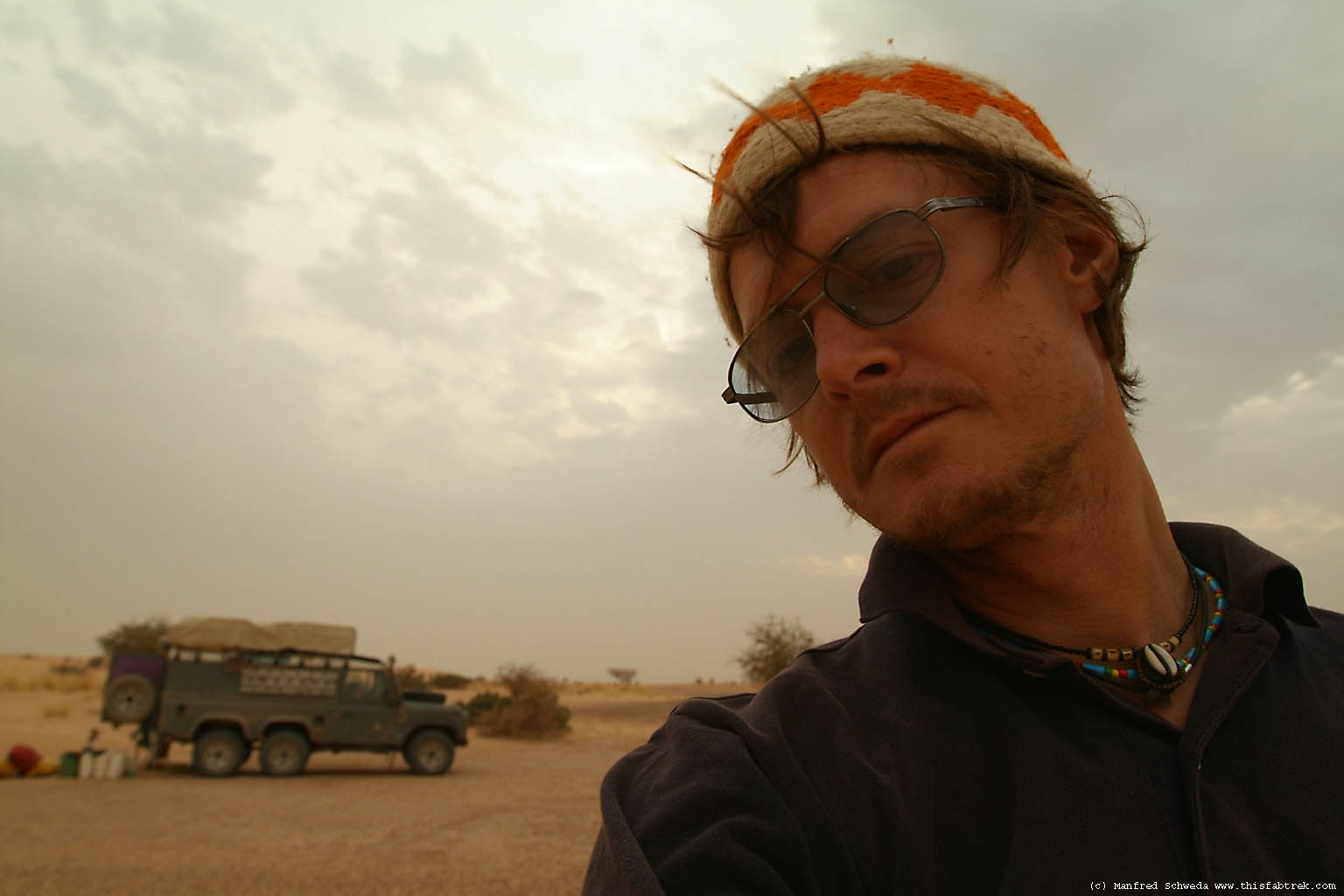
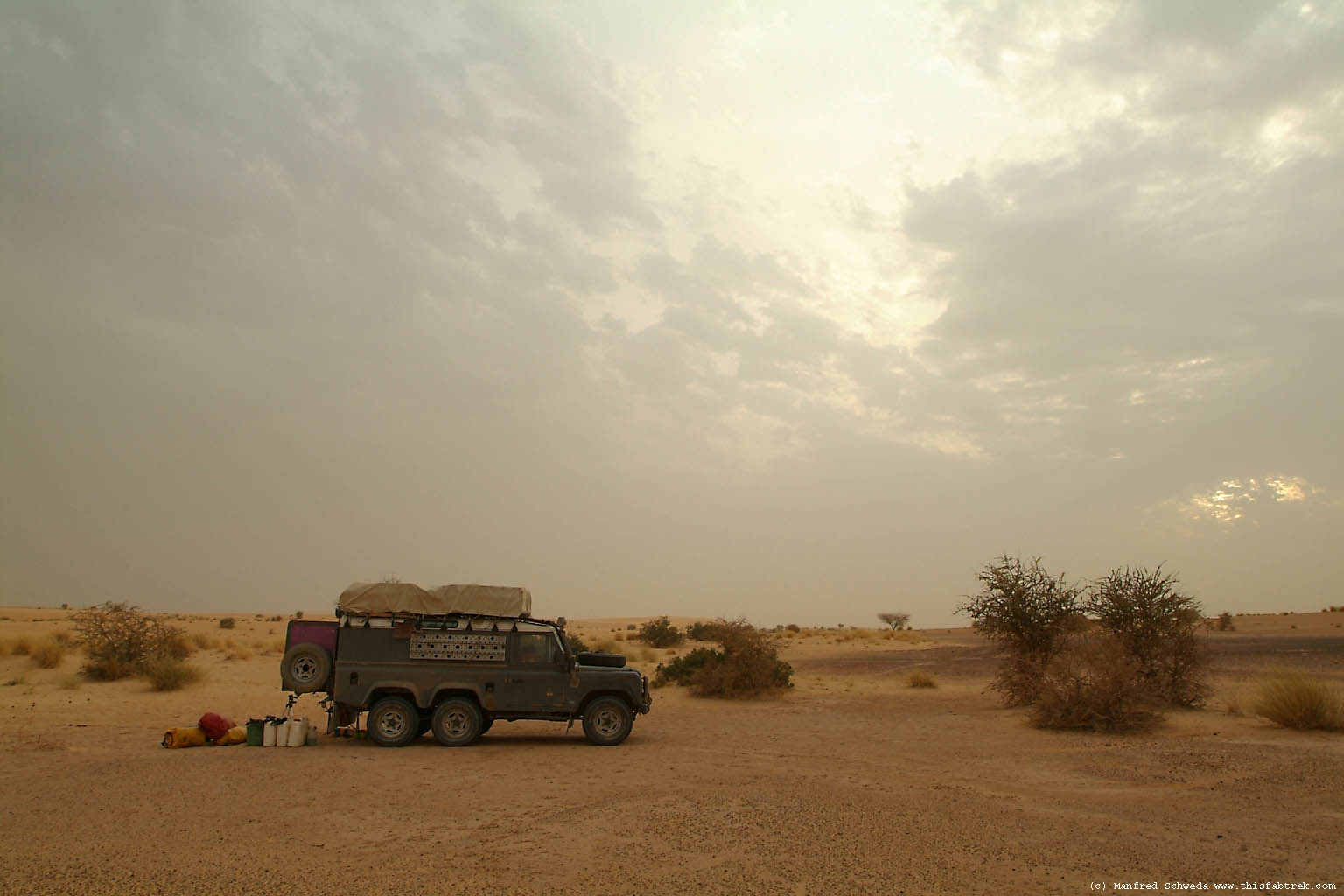
Light is hazy, the sun hardly breaks through the dust and mist covered sky. The sand, river, sky, vegetation all trying to bring into line their colours with one another. Later the wind picks up and dust and sand gets flying in from north-west. Harmattan? When we stop for the night we hide behind a couple of dunes away from the main track. It looks like it'll rain at night. It doesn't, maybe further away, not enough to have an impact on the sand storm. Nights are cold, this is winter, summer must be backing hot.
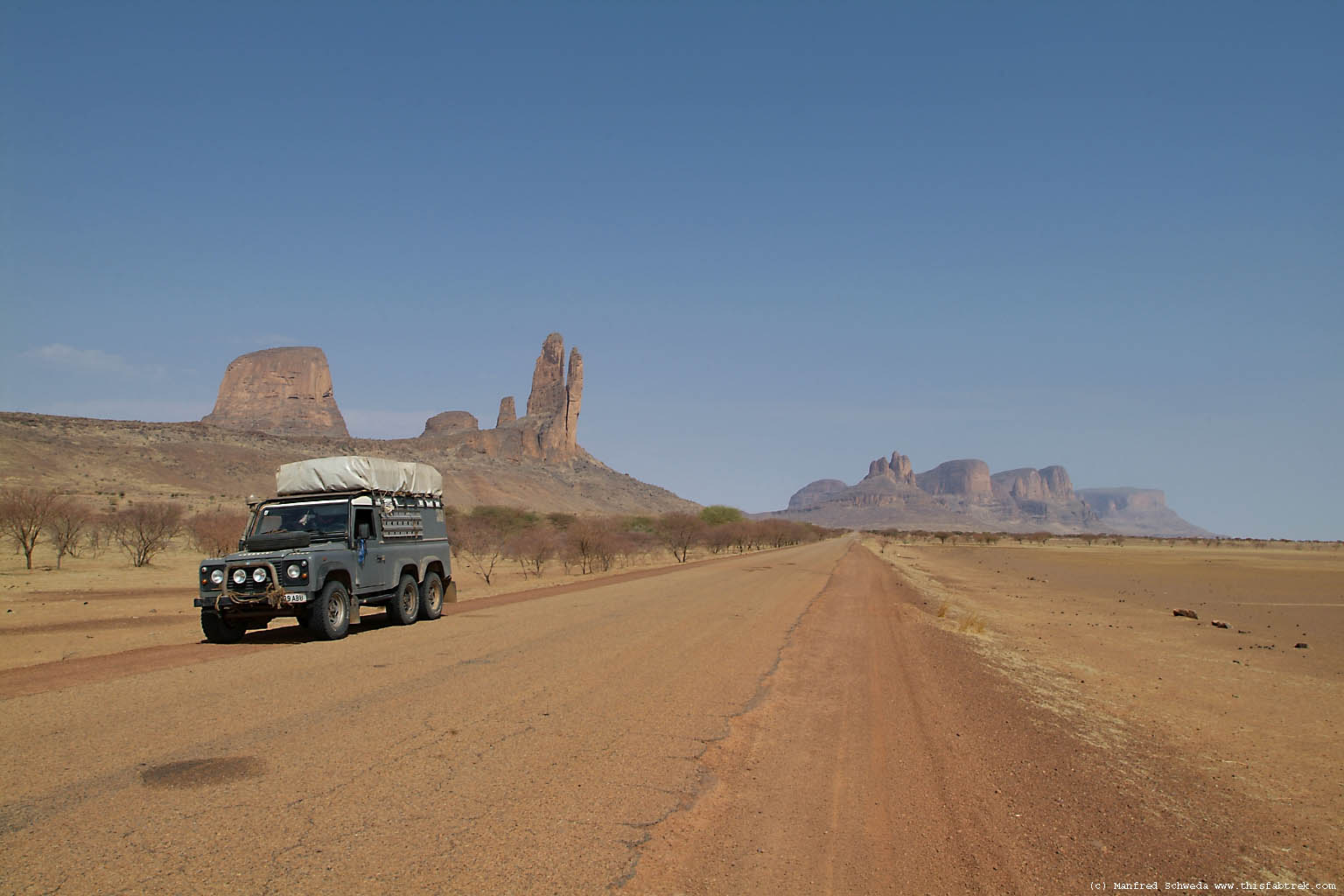
Mount Hombori and Main Fatima
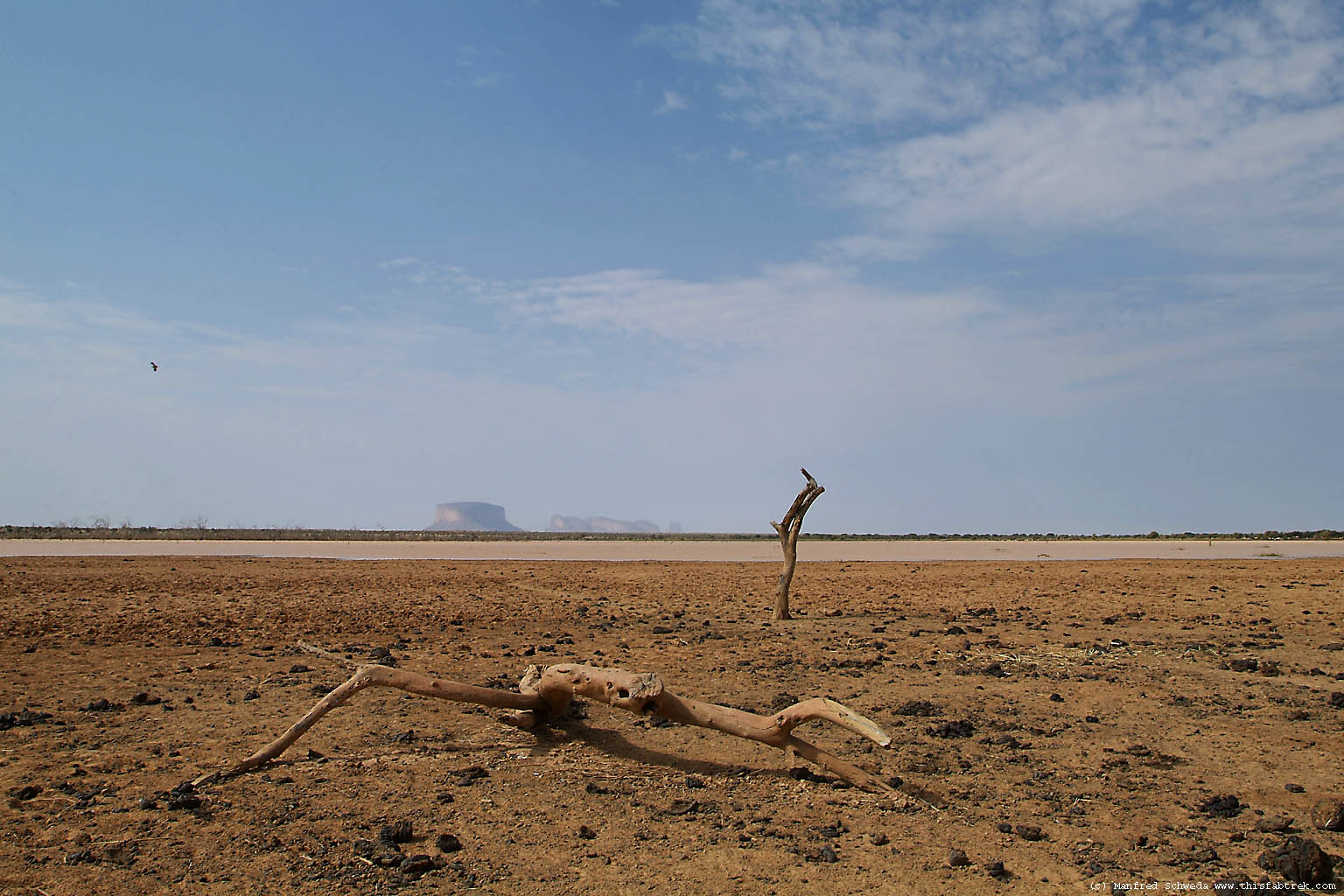
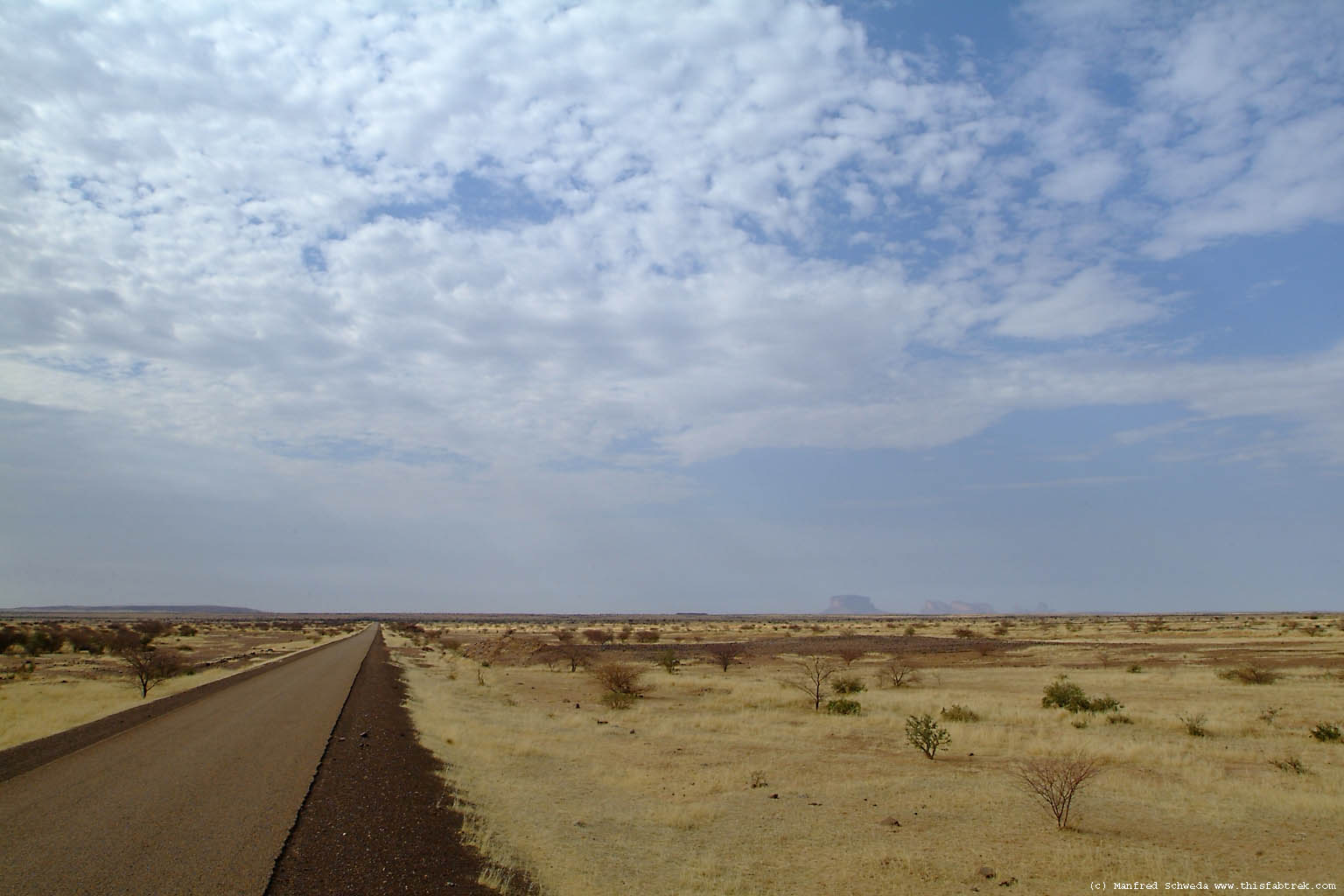
It takes us 2 and a half days to get to Gao. In Gao we cross the River Niger by ferry, Gao will be the most western part of the Africa journey for now. Gao funnily lies right on the prime meridian that passes through Greenwich.
We turn back, back direction Segou, there is stuff to do in Segou, but still 750km of air distance to go, some 1,000km by road, 4 days?
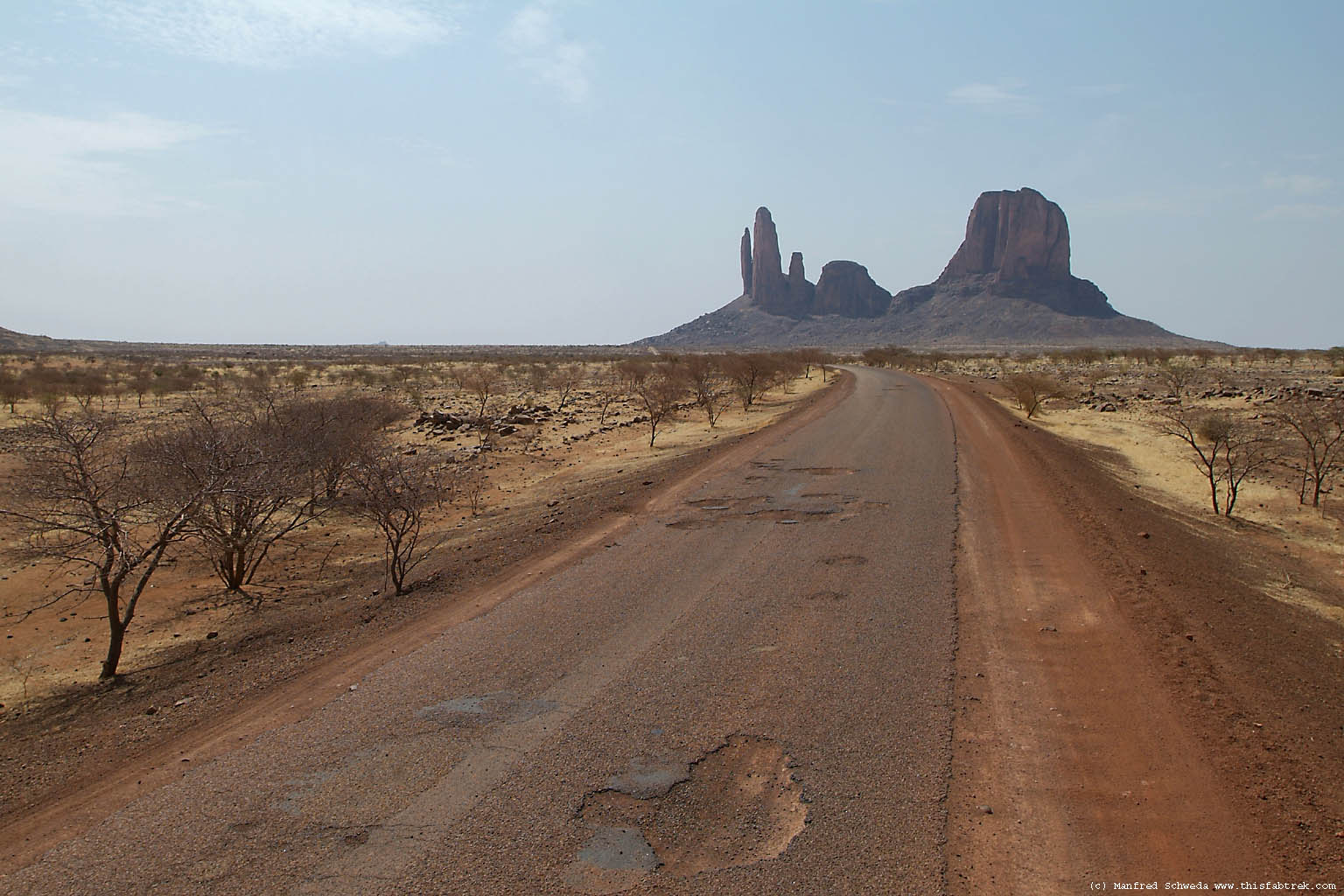
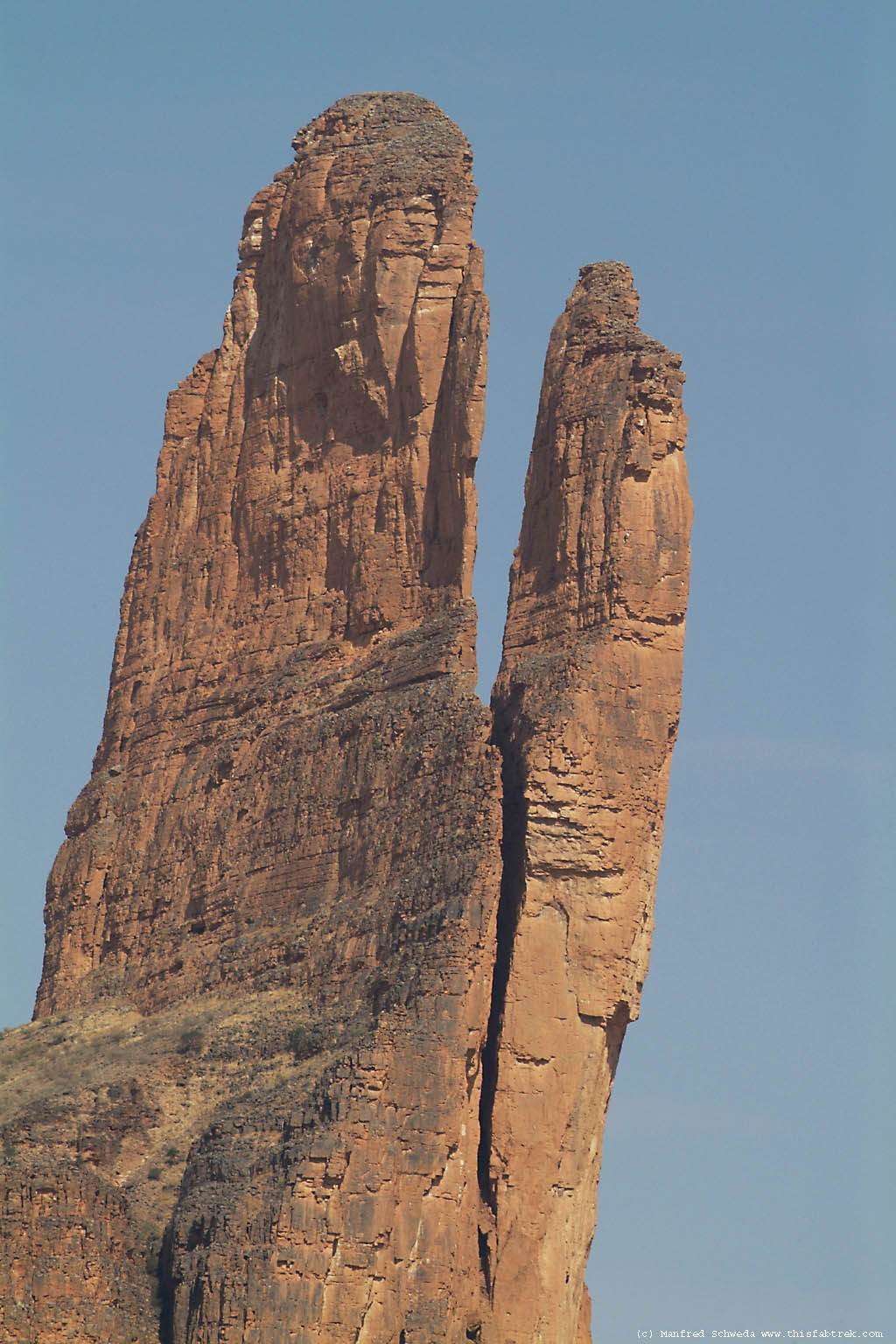
Countryside is flat. But in the morning of the 20th of Jan in the distance we see something that would not leave our eyesight till late this afternoon. Mount Hombori and Main Fatima (Fatima's hand).
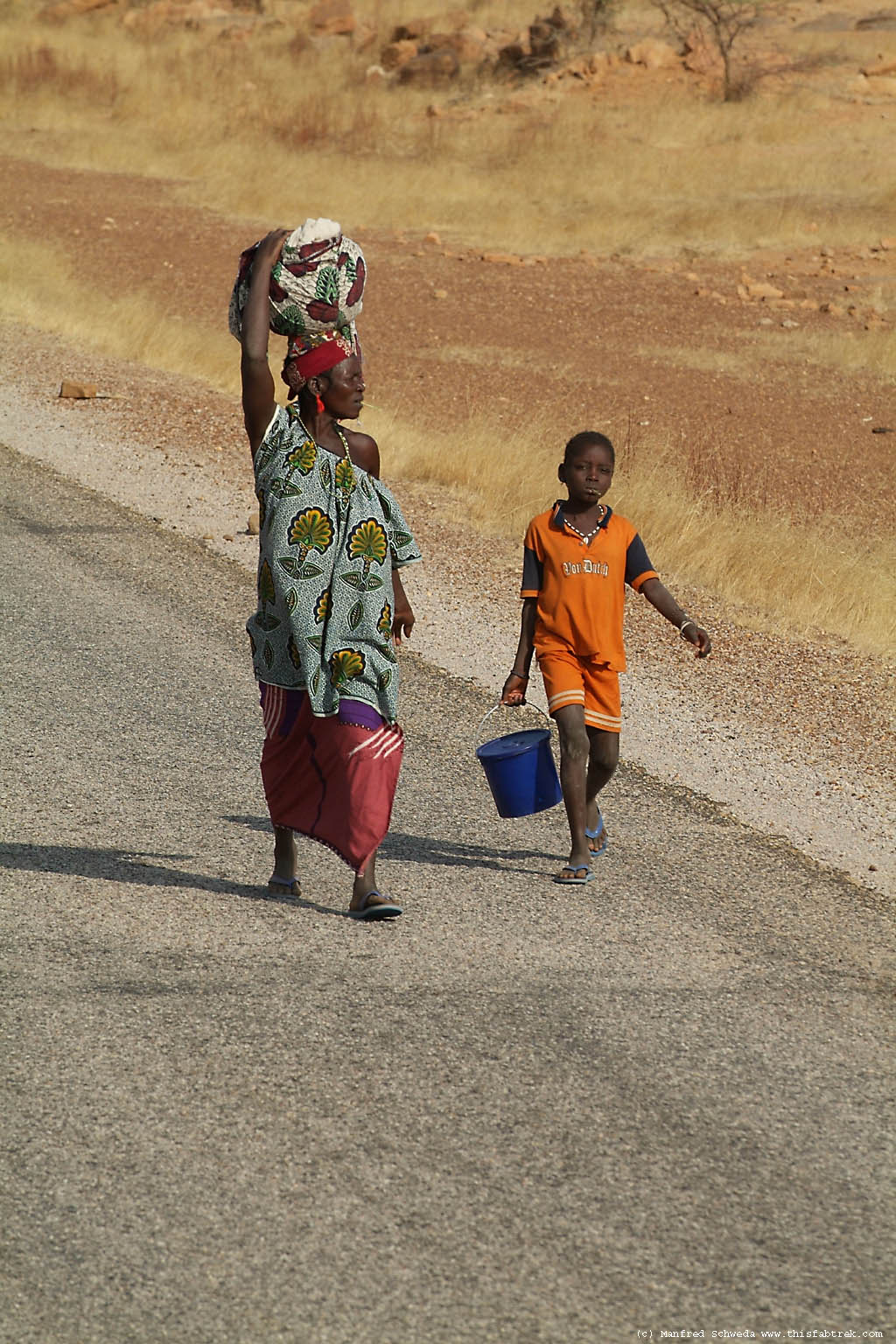
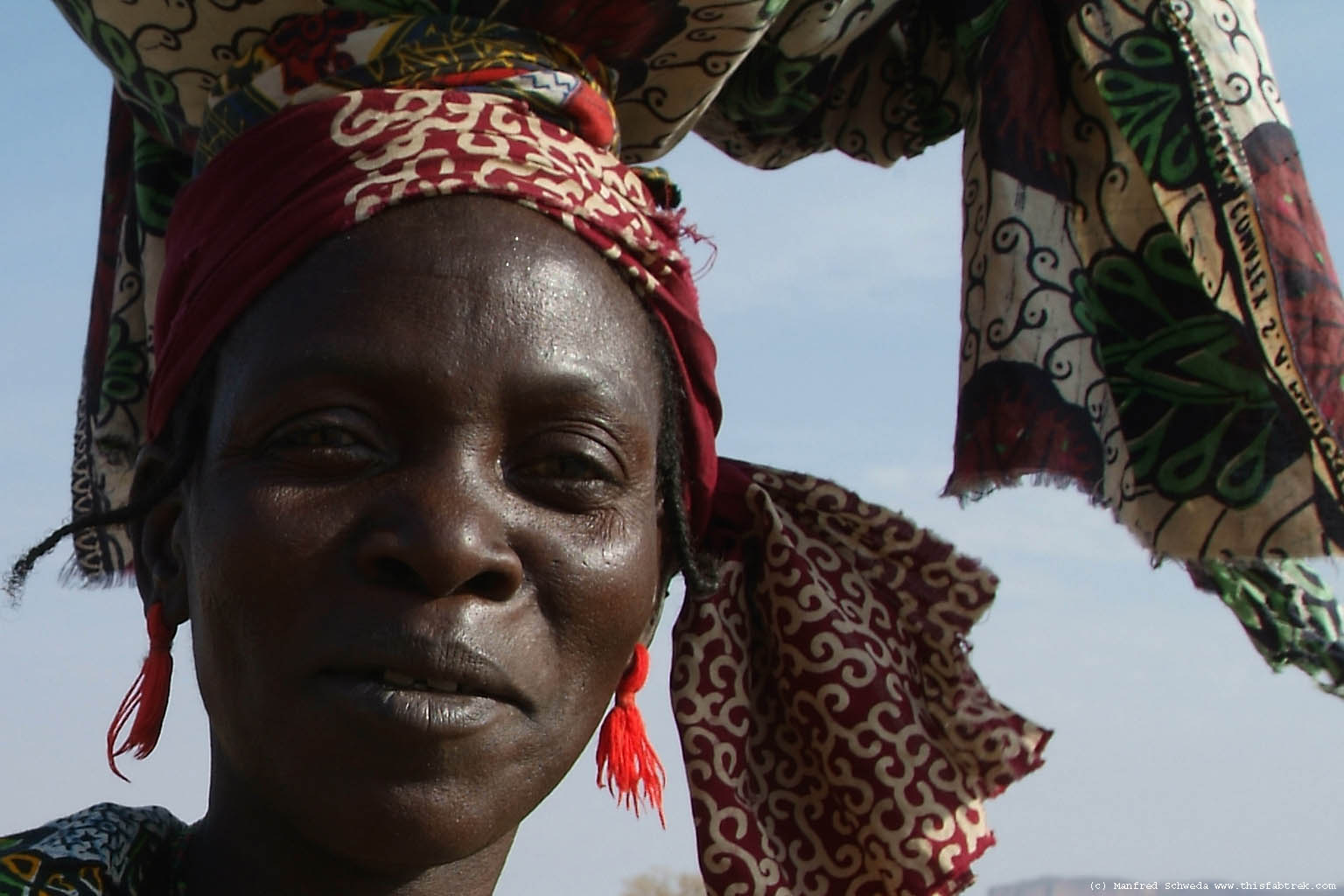
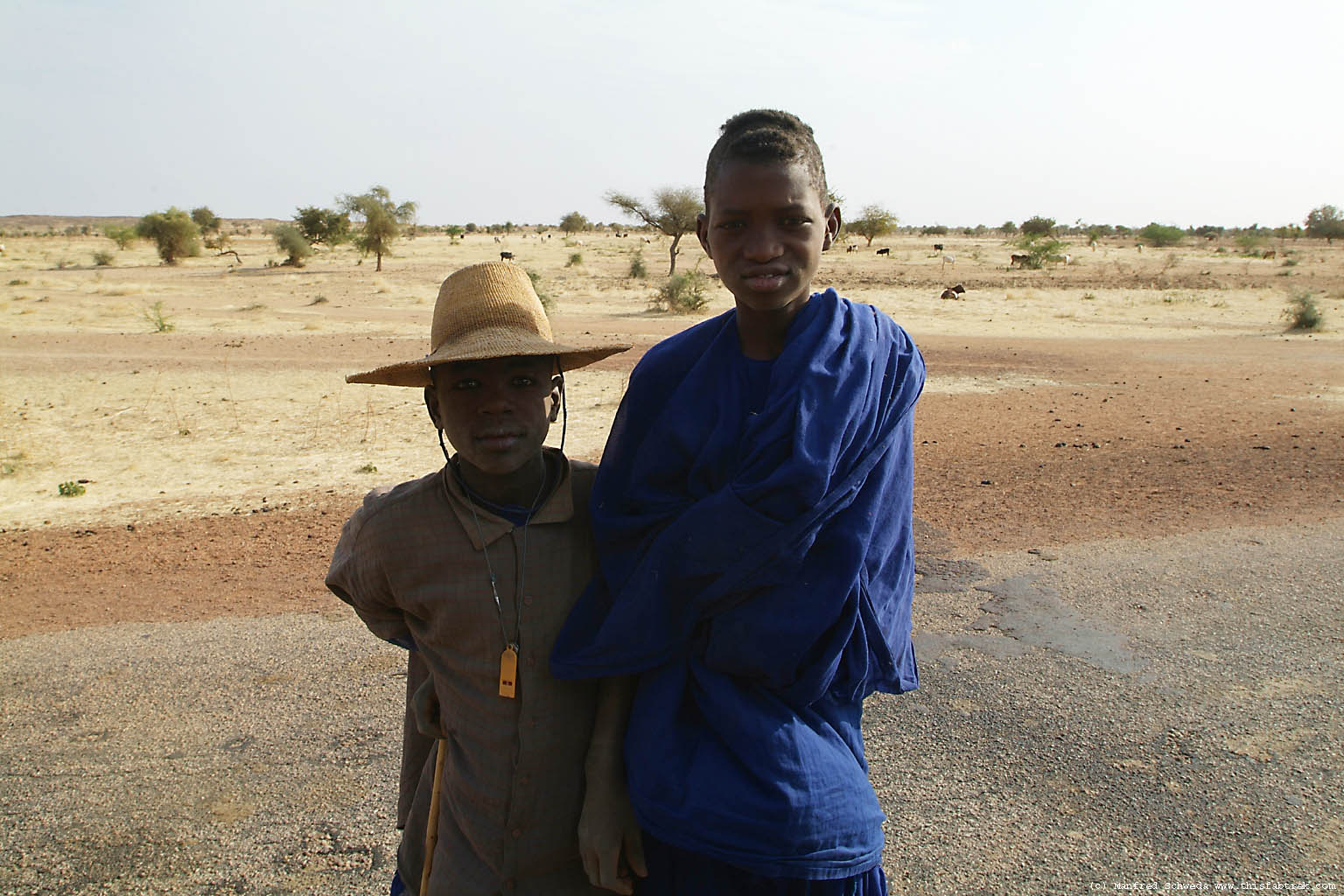
Dogon Land
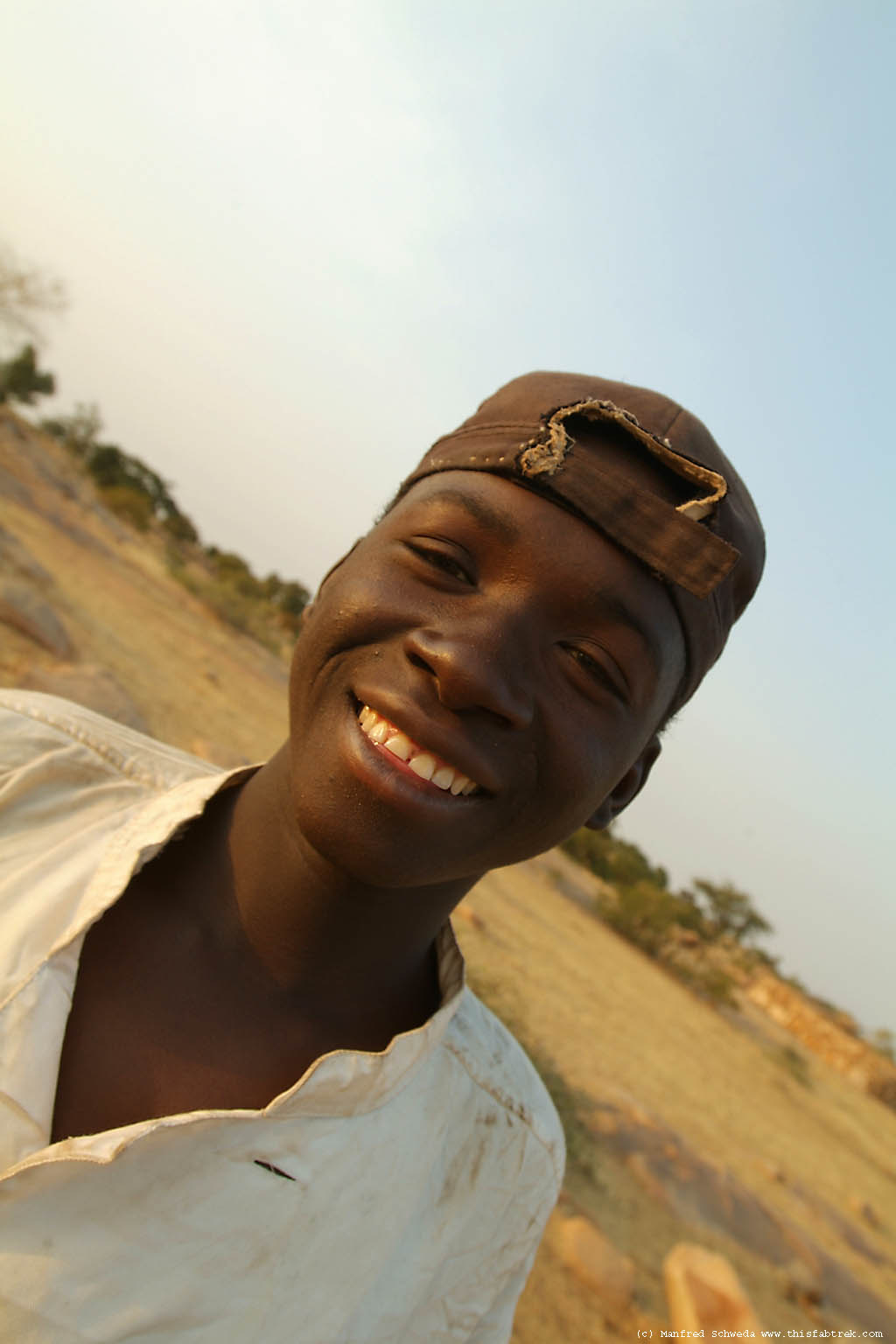
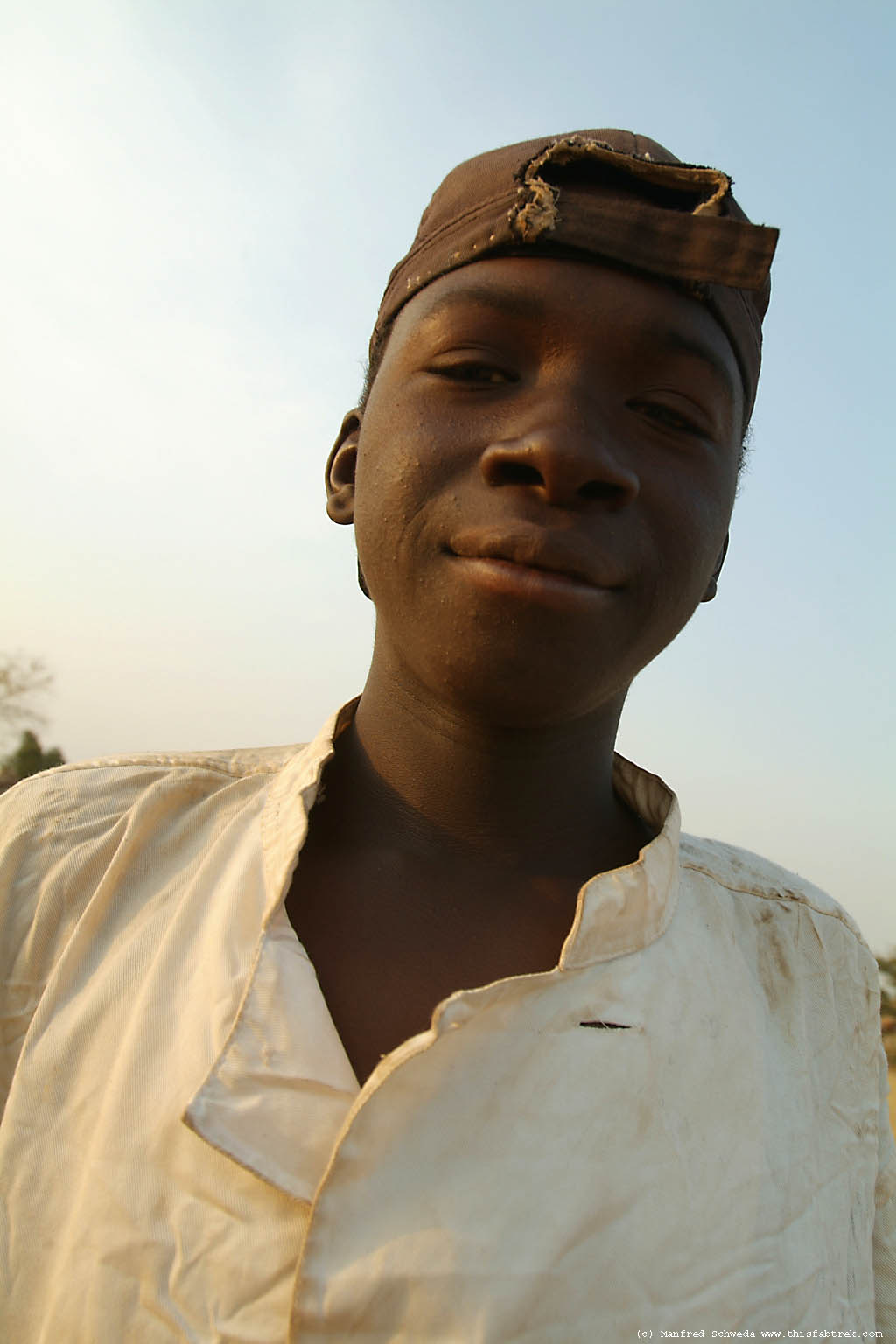
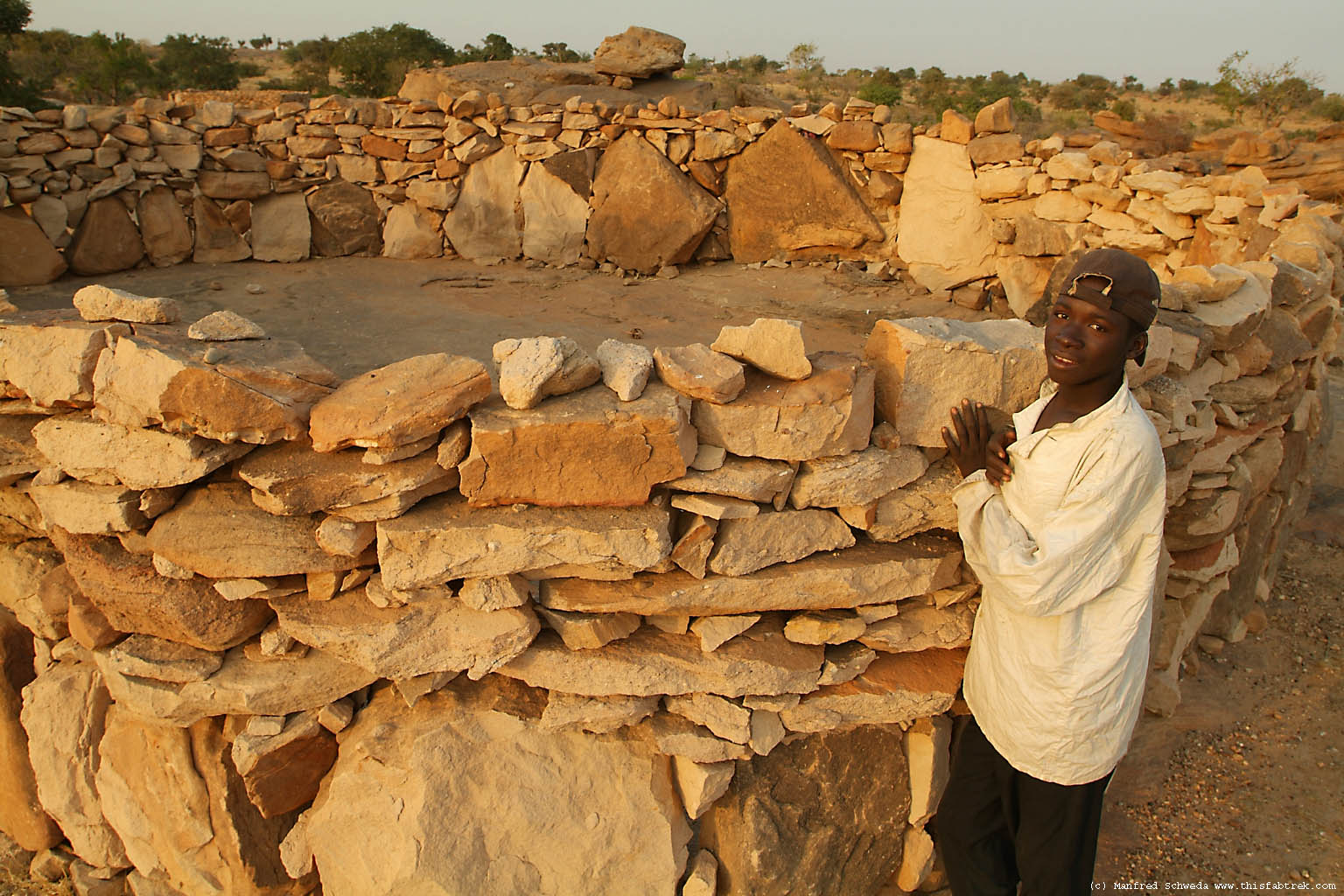
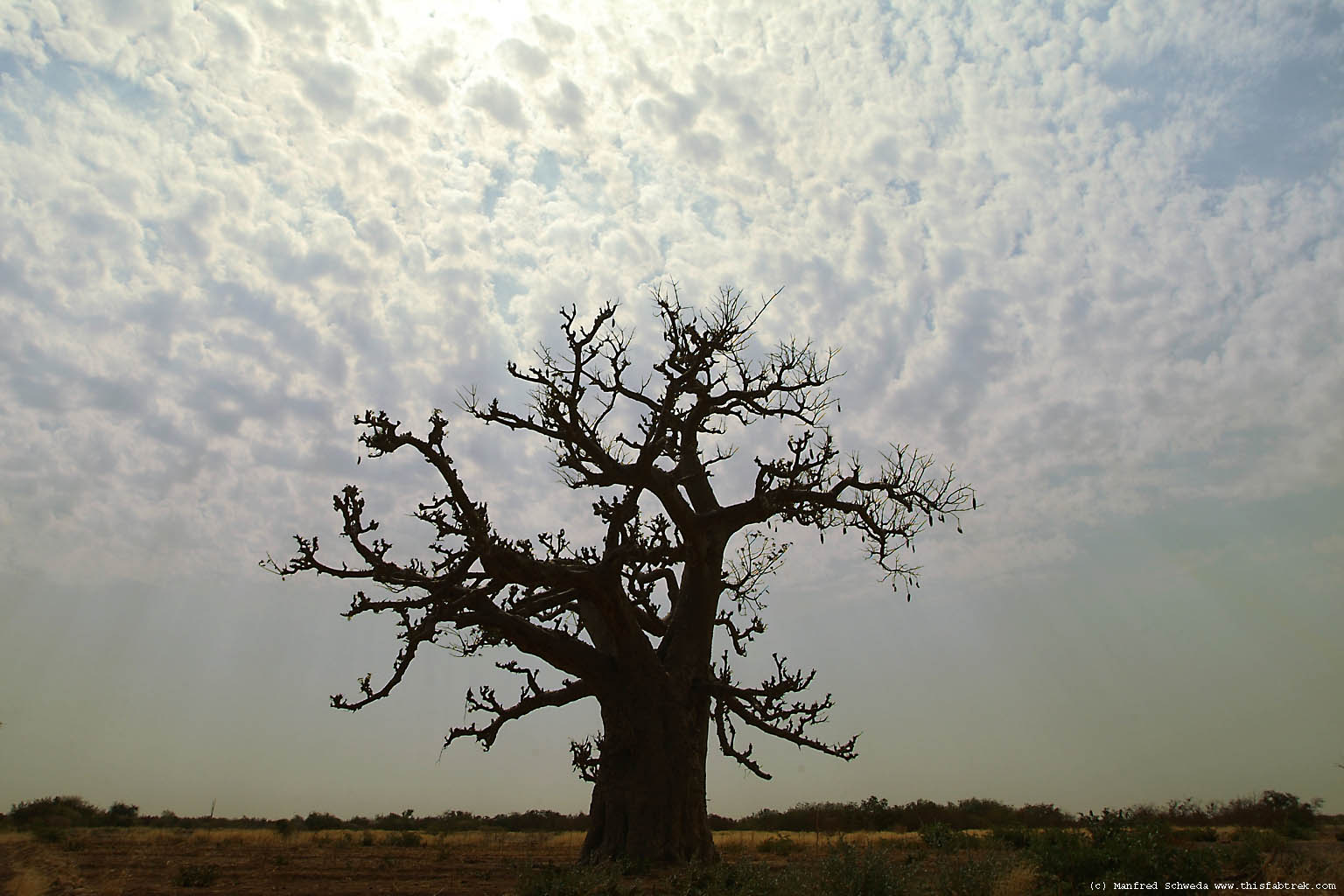
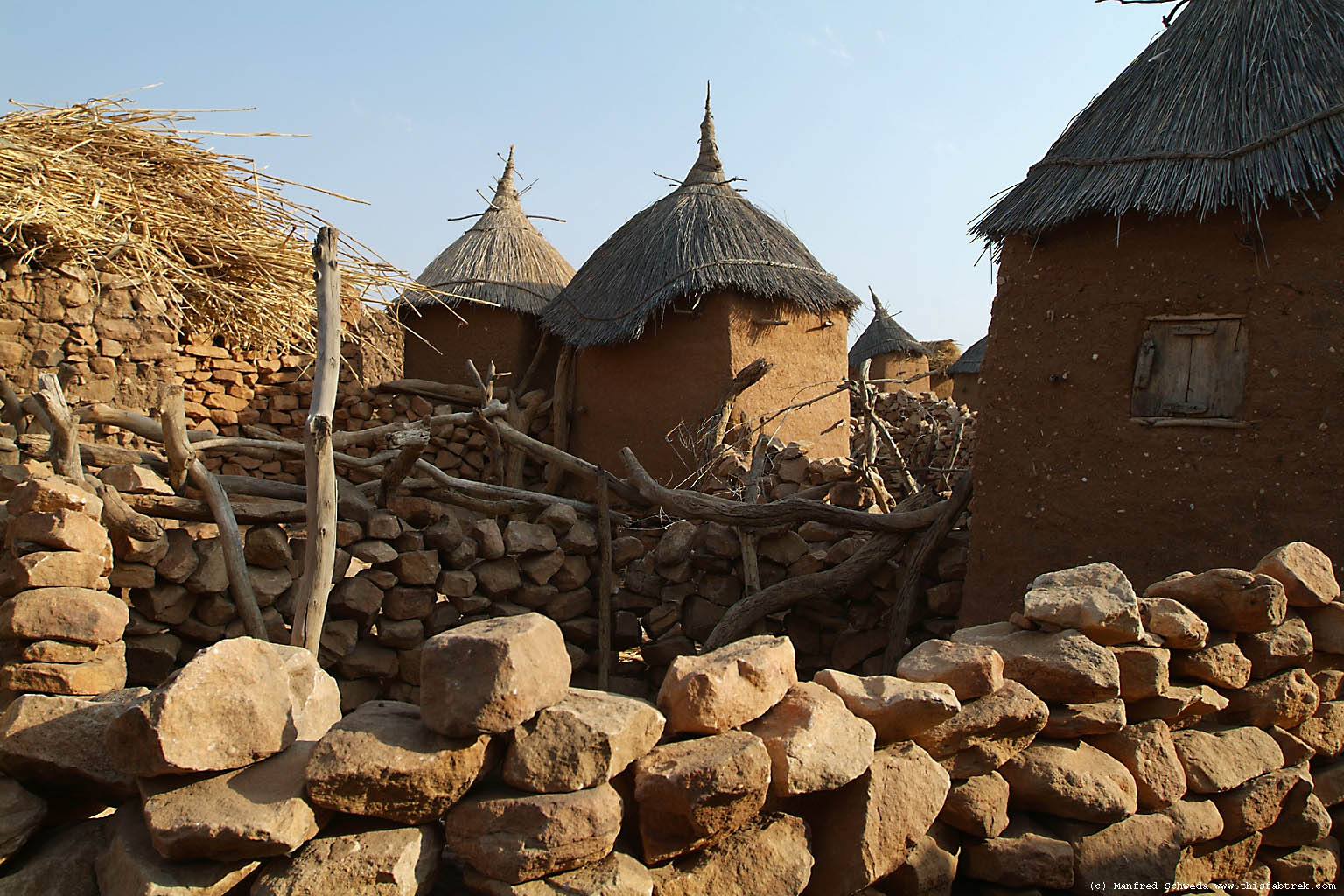
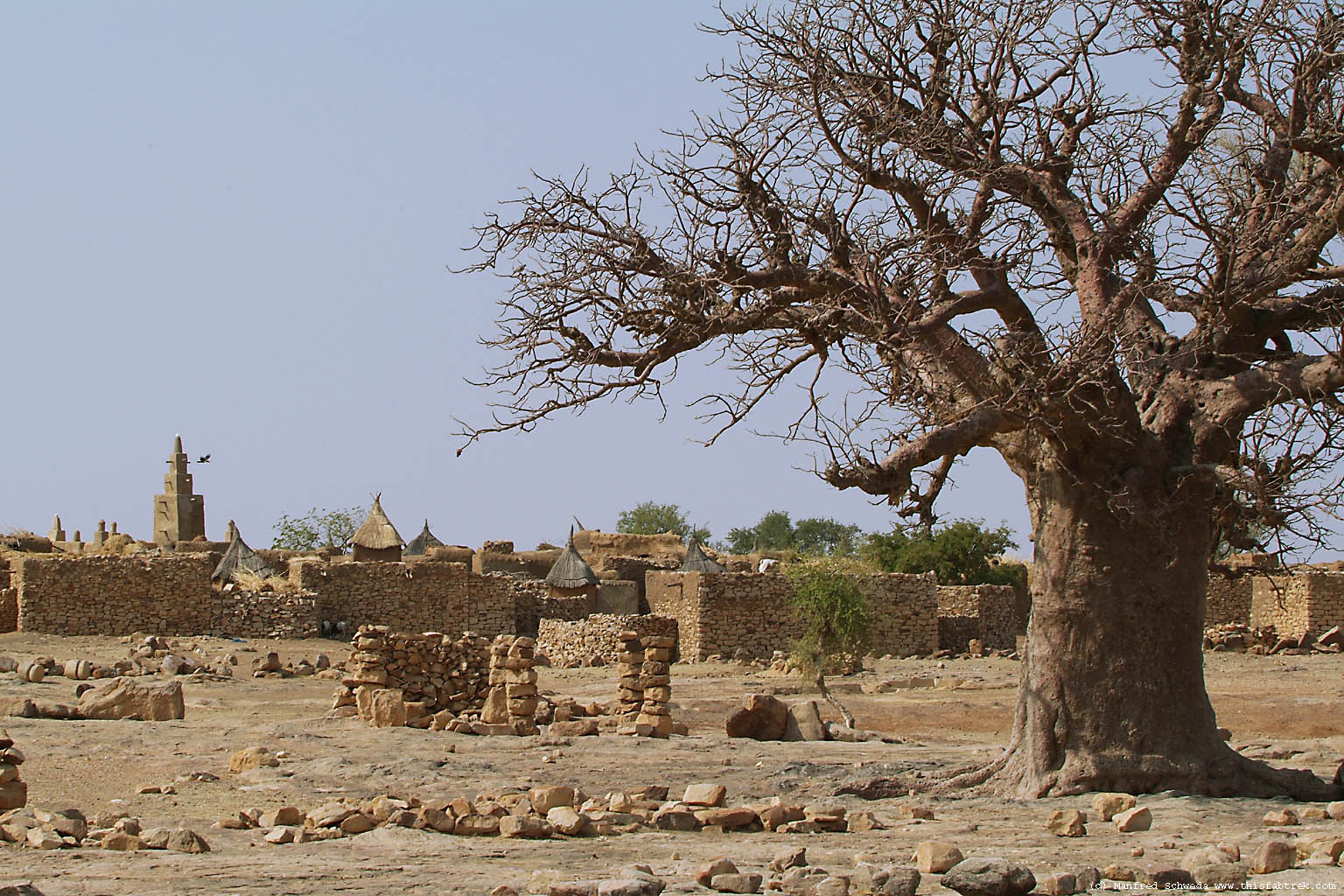
We reach Douentza that evening, already inside the Dogon country. Mysterious Pays Dogon, it has to wait for another time. This time we are just traversing - we really want to go to Segou - quickly.
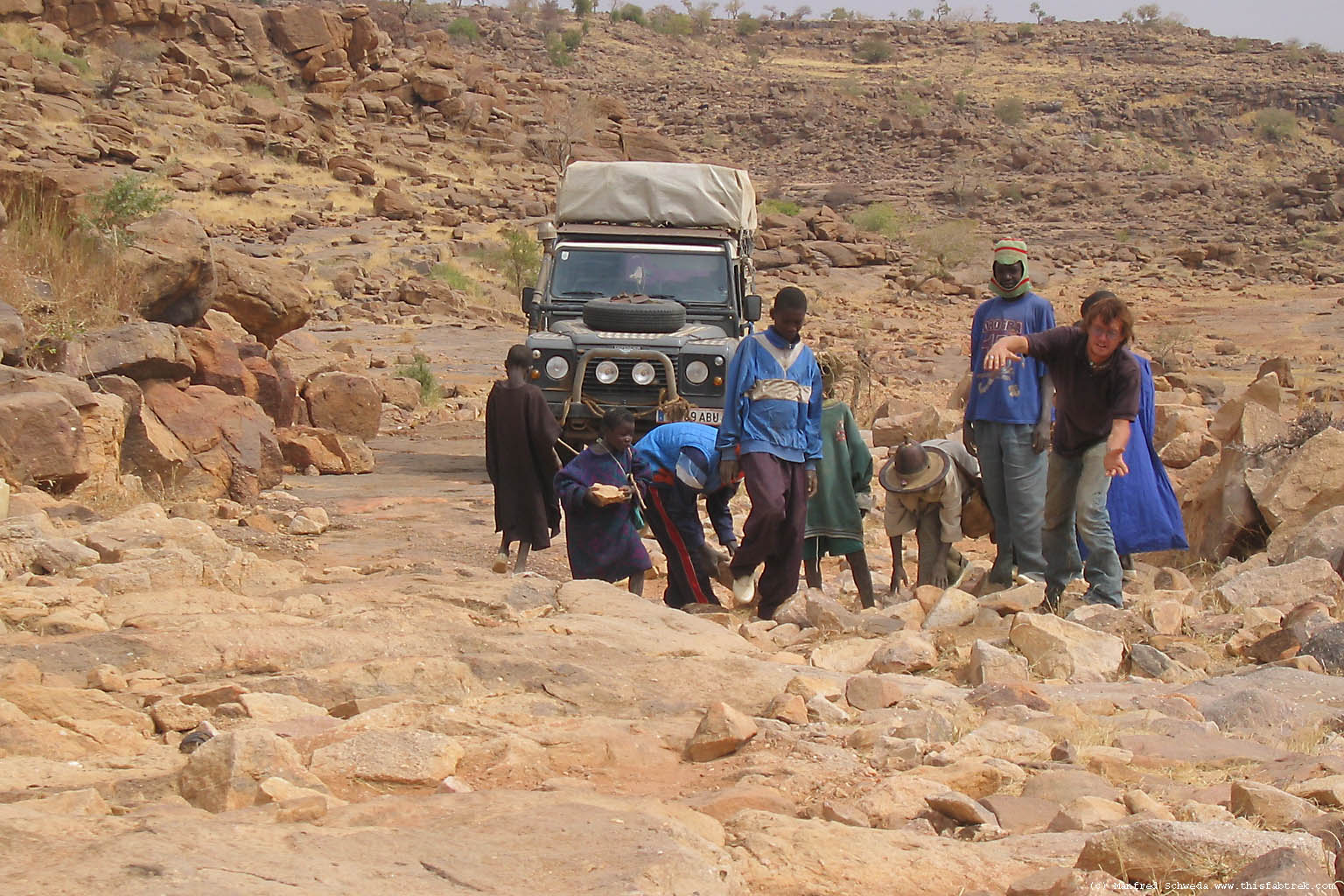
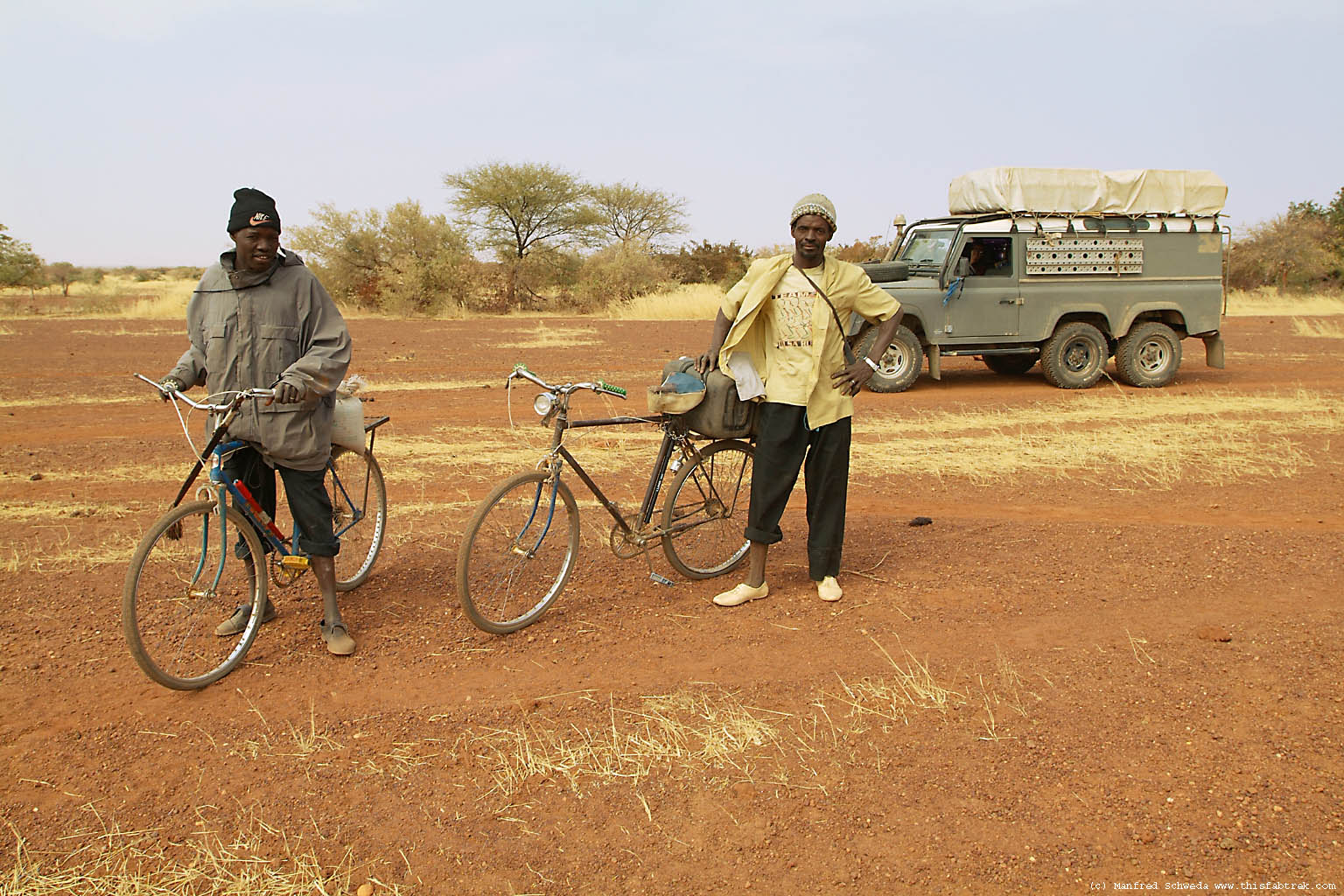
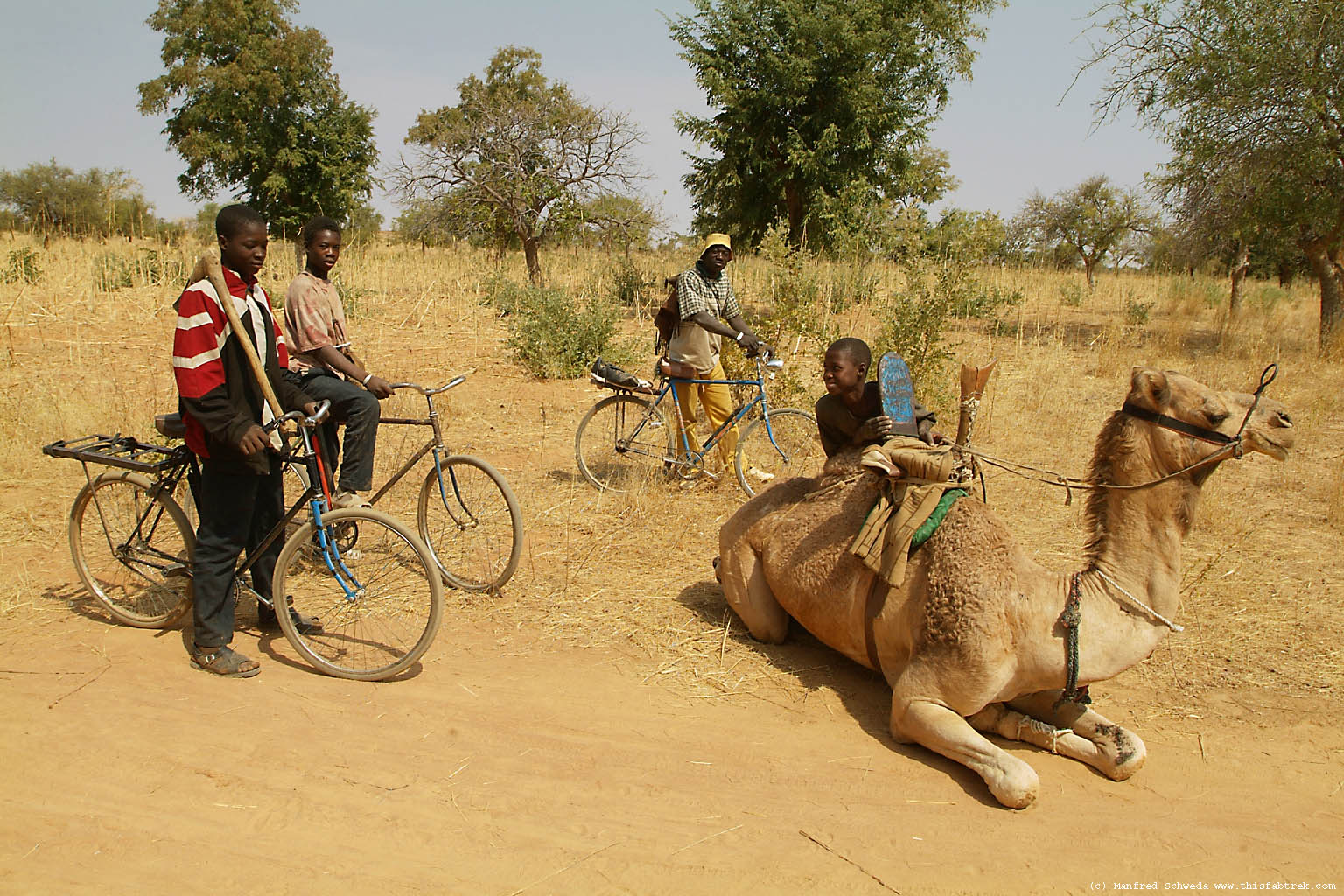
Quickly? The road past Douentza that I have decided on is the most difficult drive we have had so-far. There was a road here long time ago, and it must have been a while since a vehicle passed here. Curious and friendly are the people we encounter, with a big oh-these-mad-tourists smile on their faces, but very helpful in rebuilding entire patches so that we could pass.
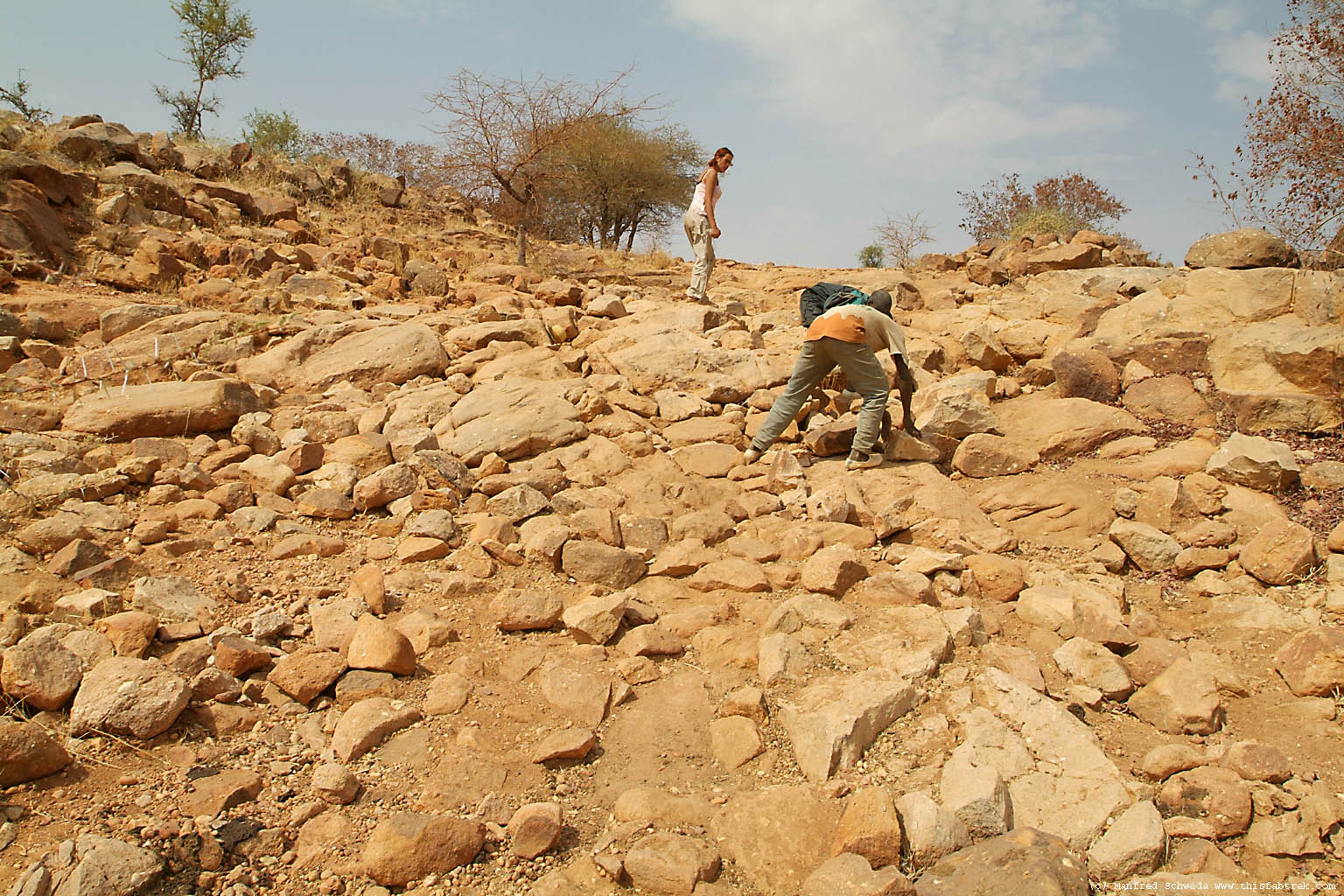
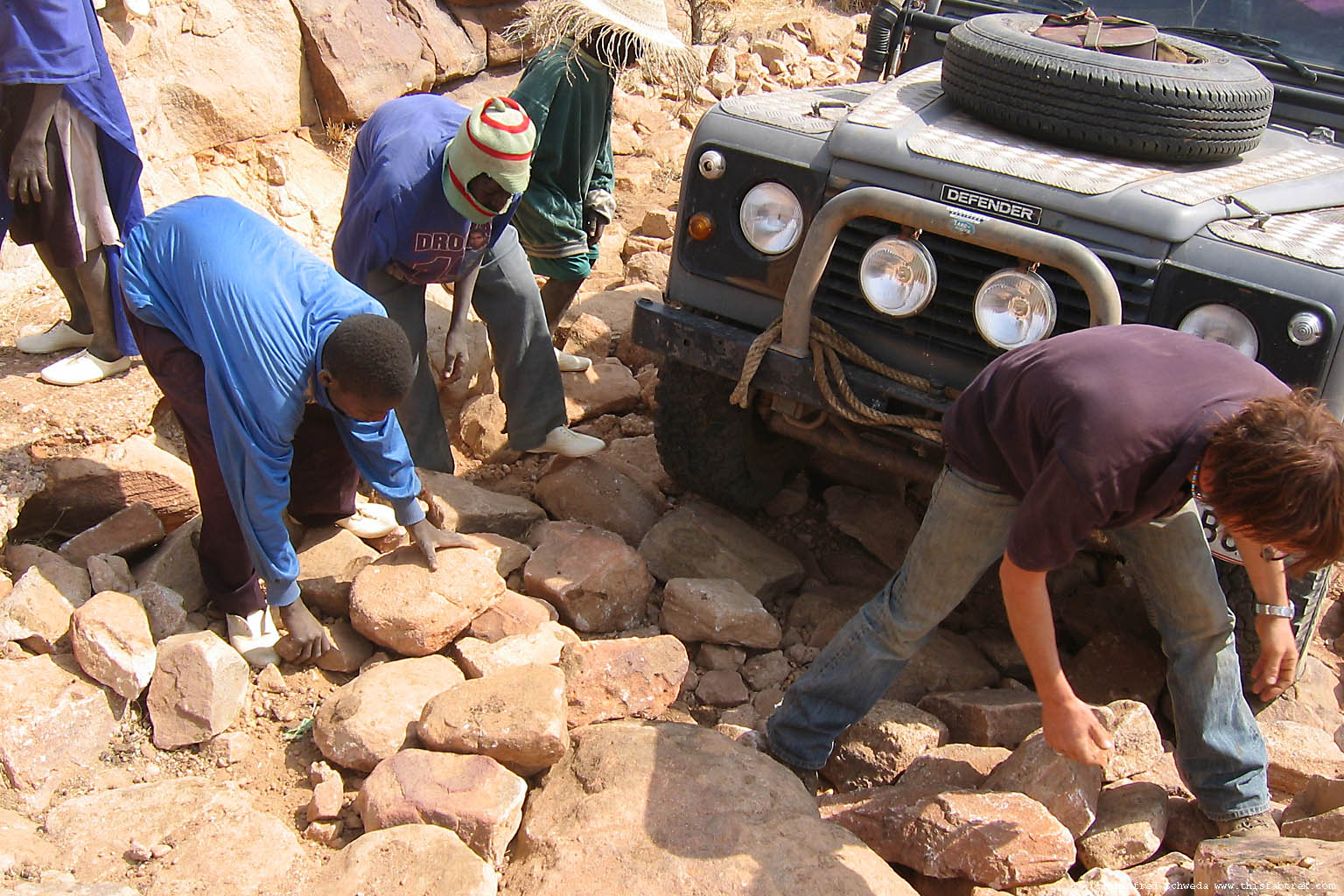
Djénné
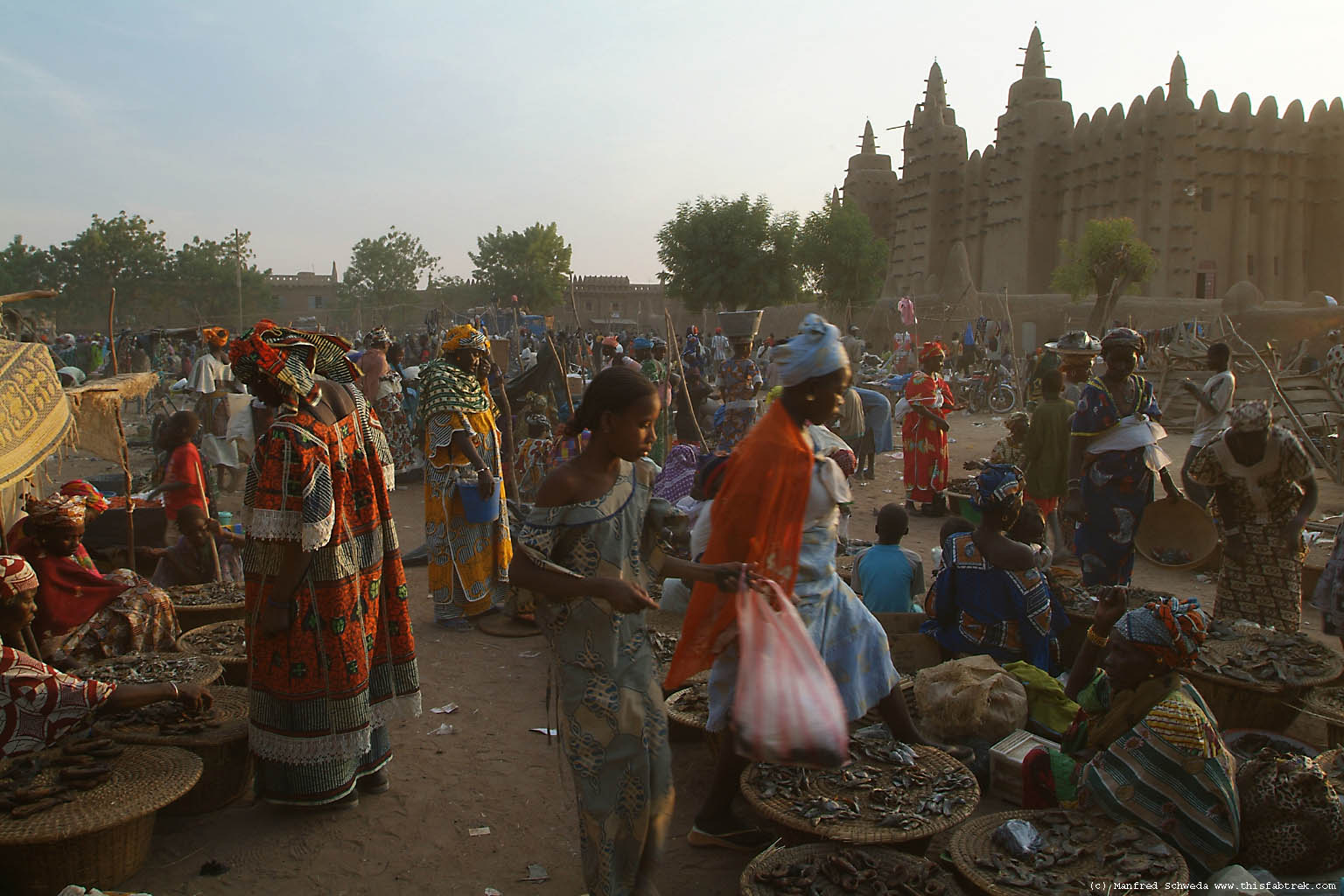
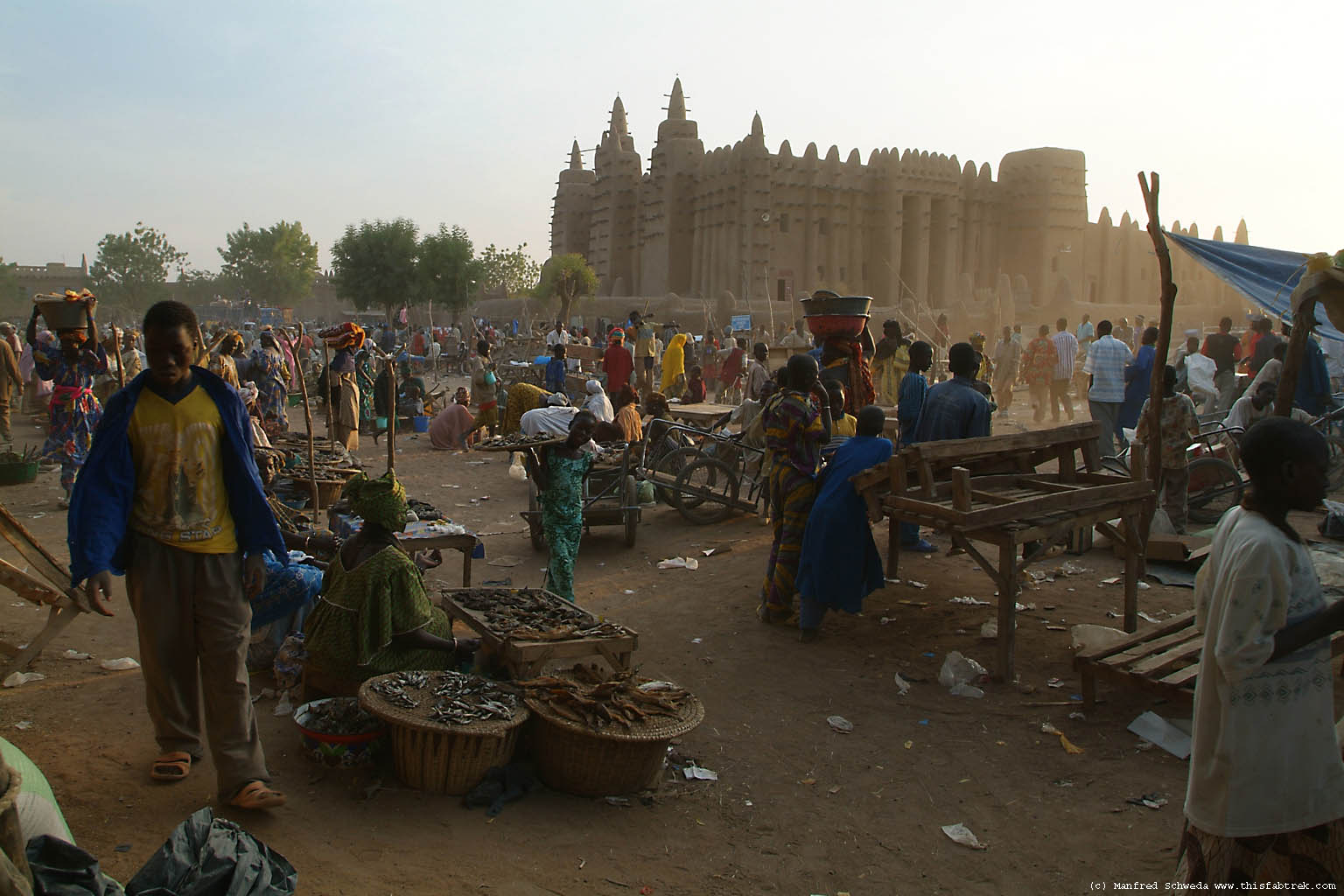
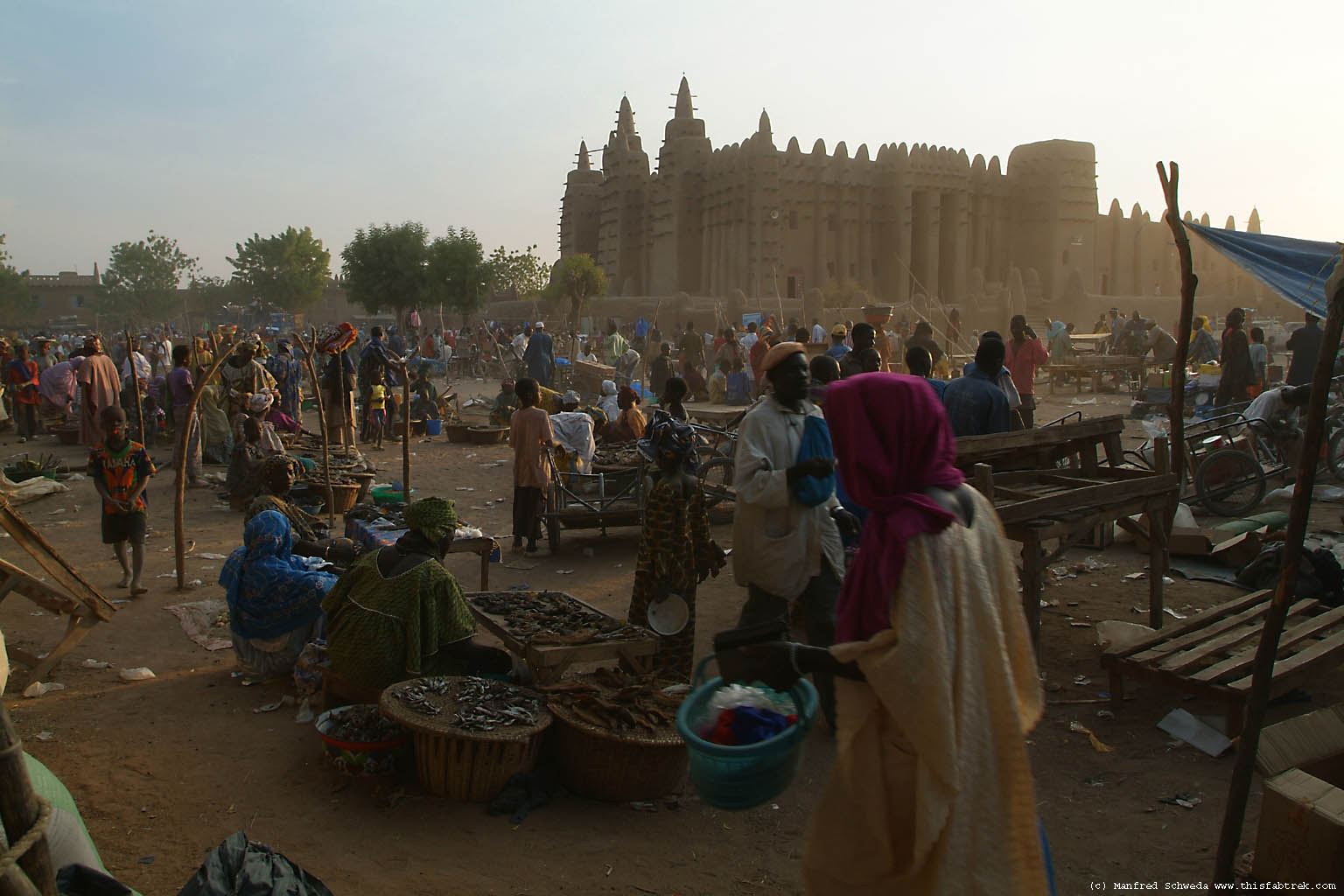
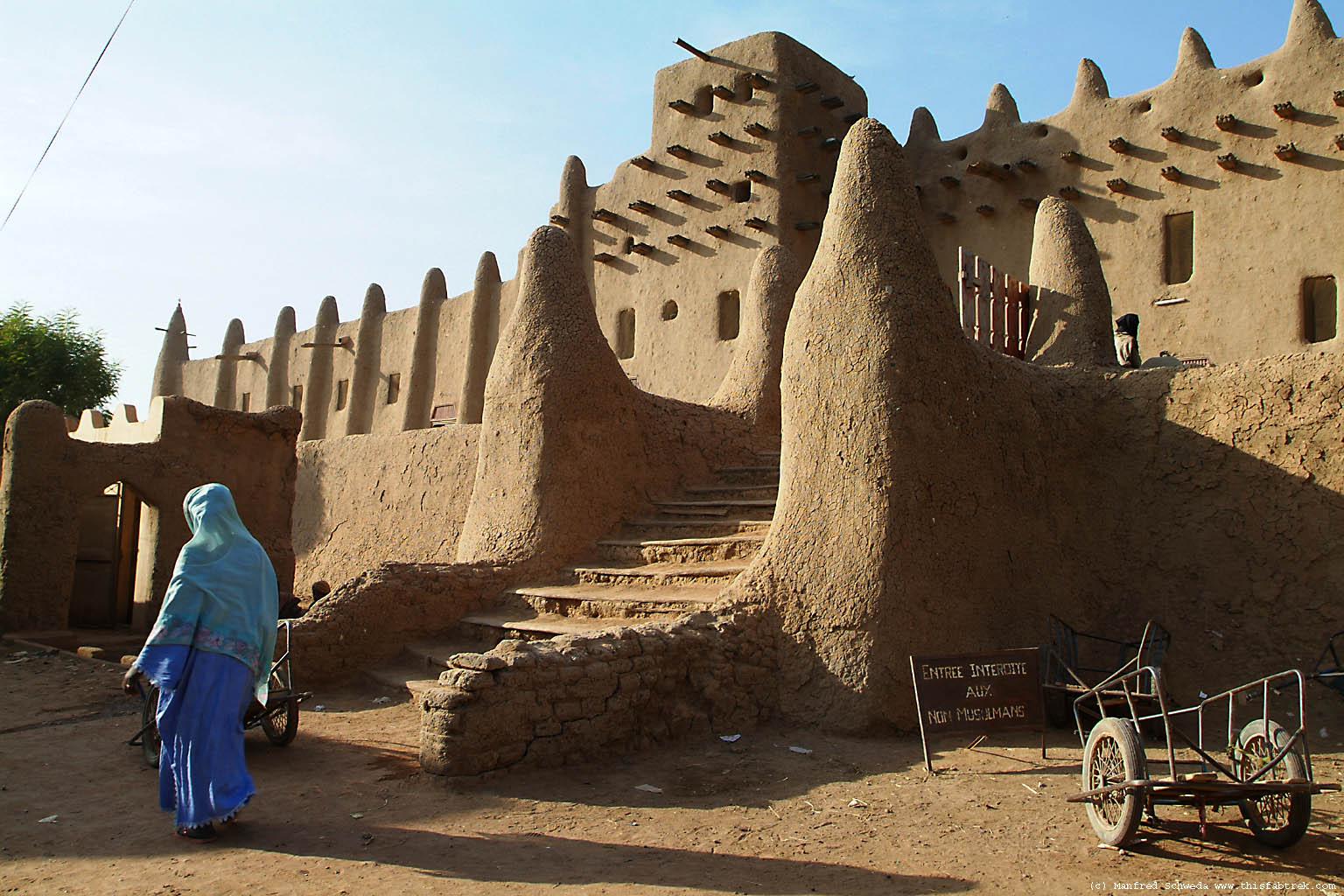
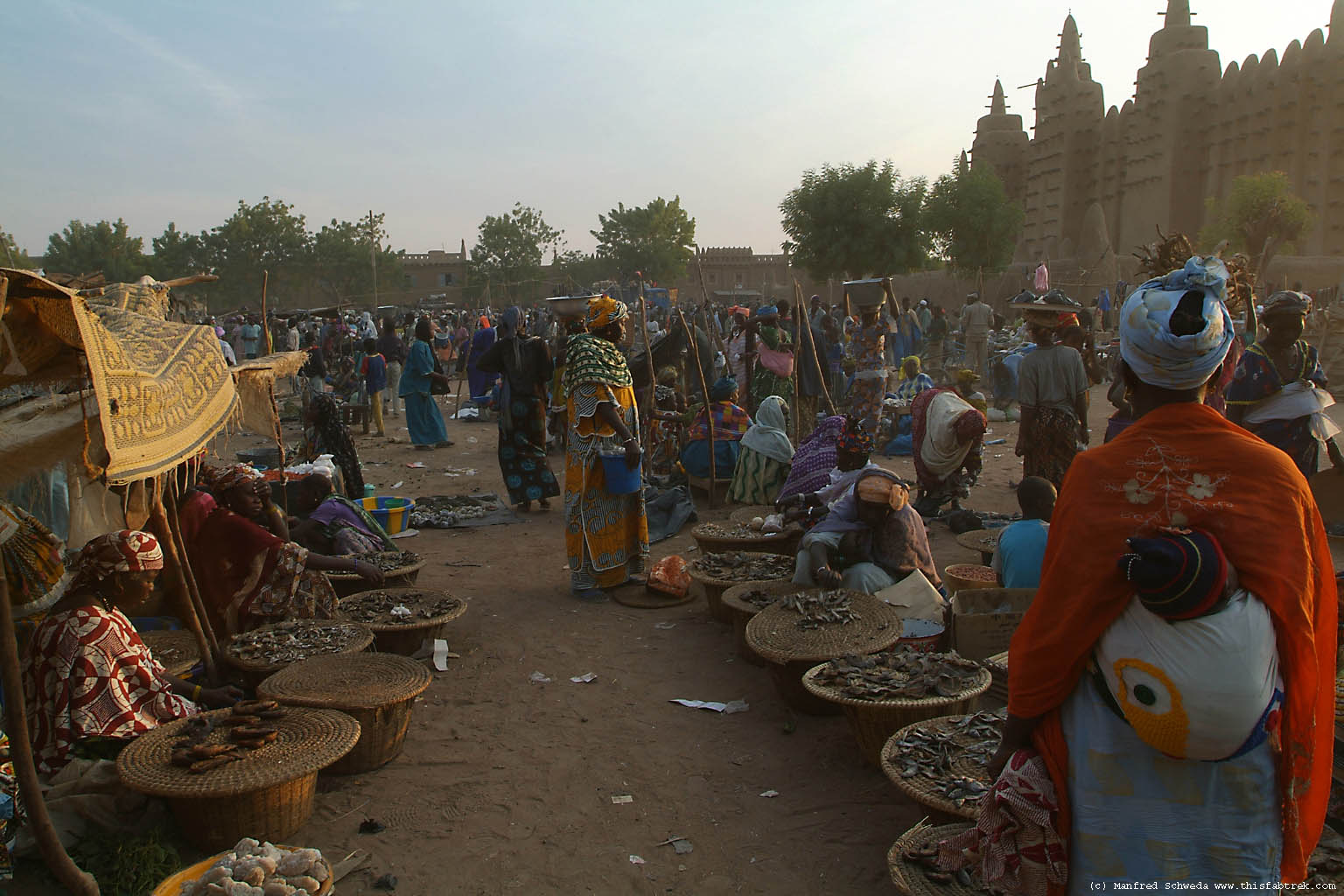
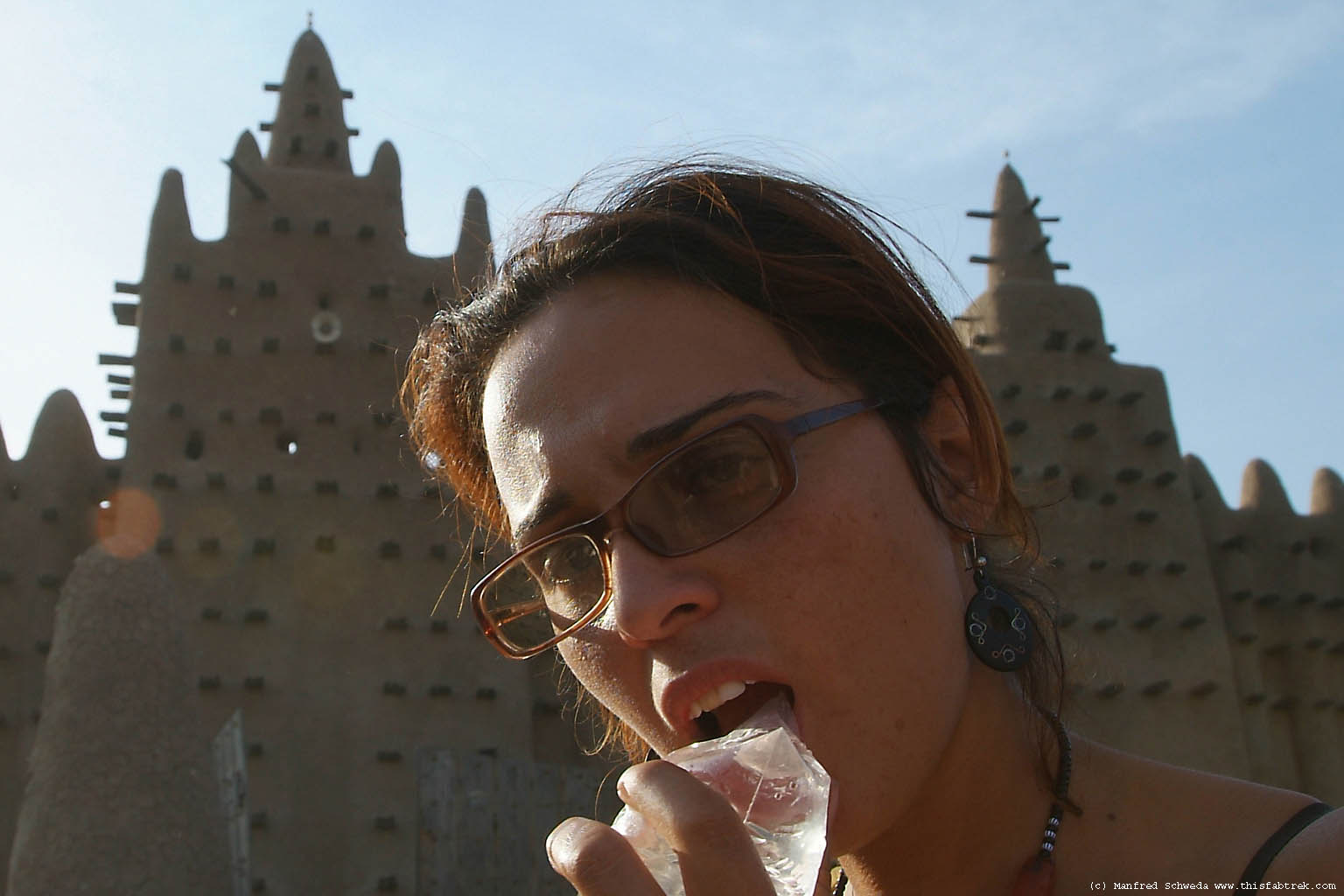
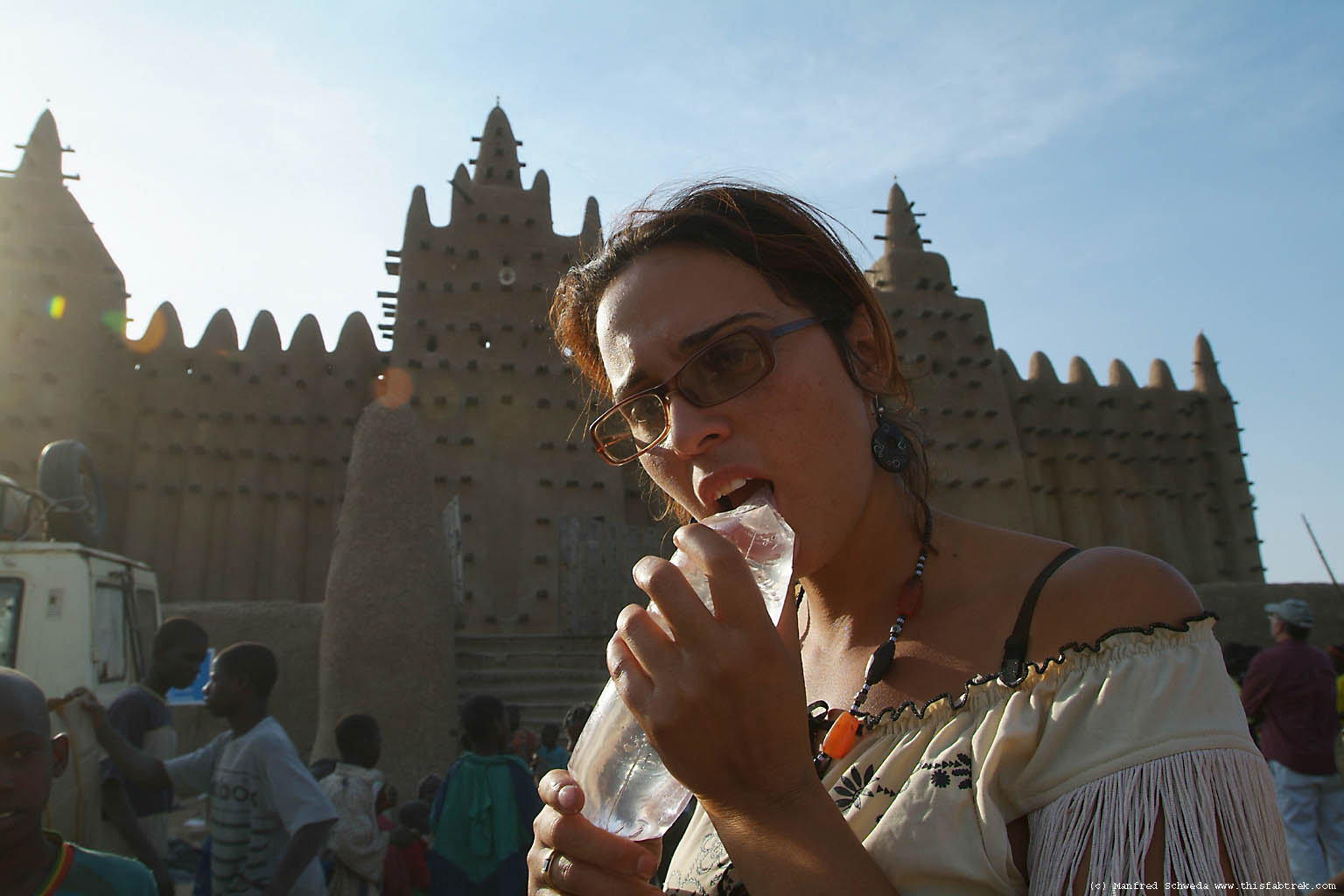
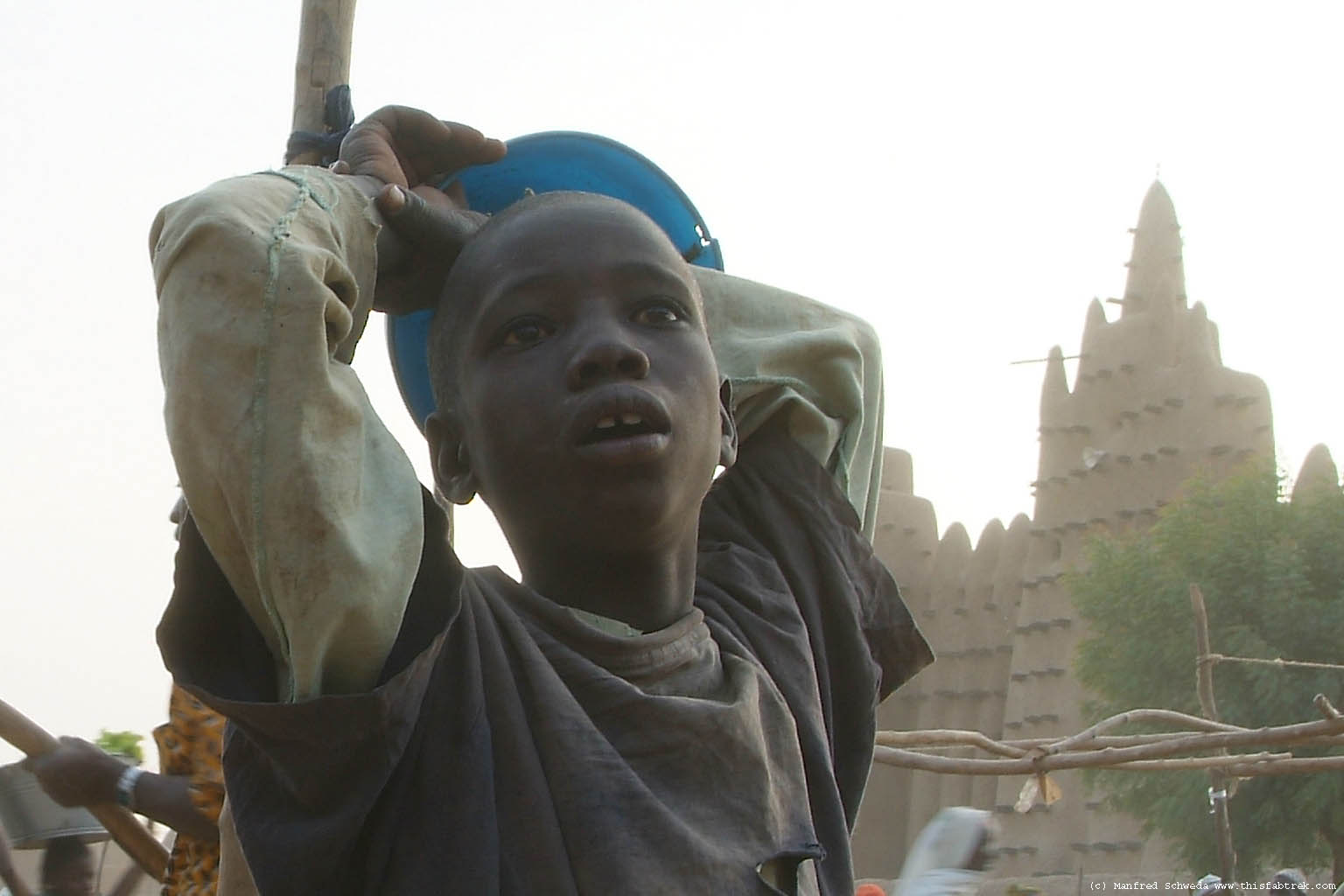
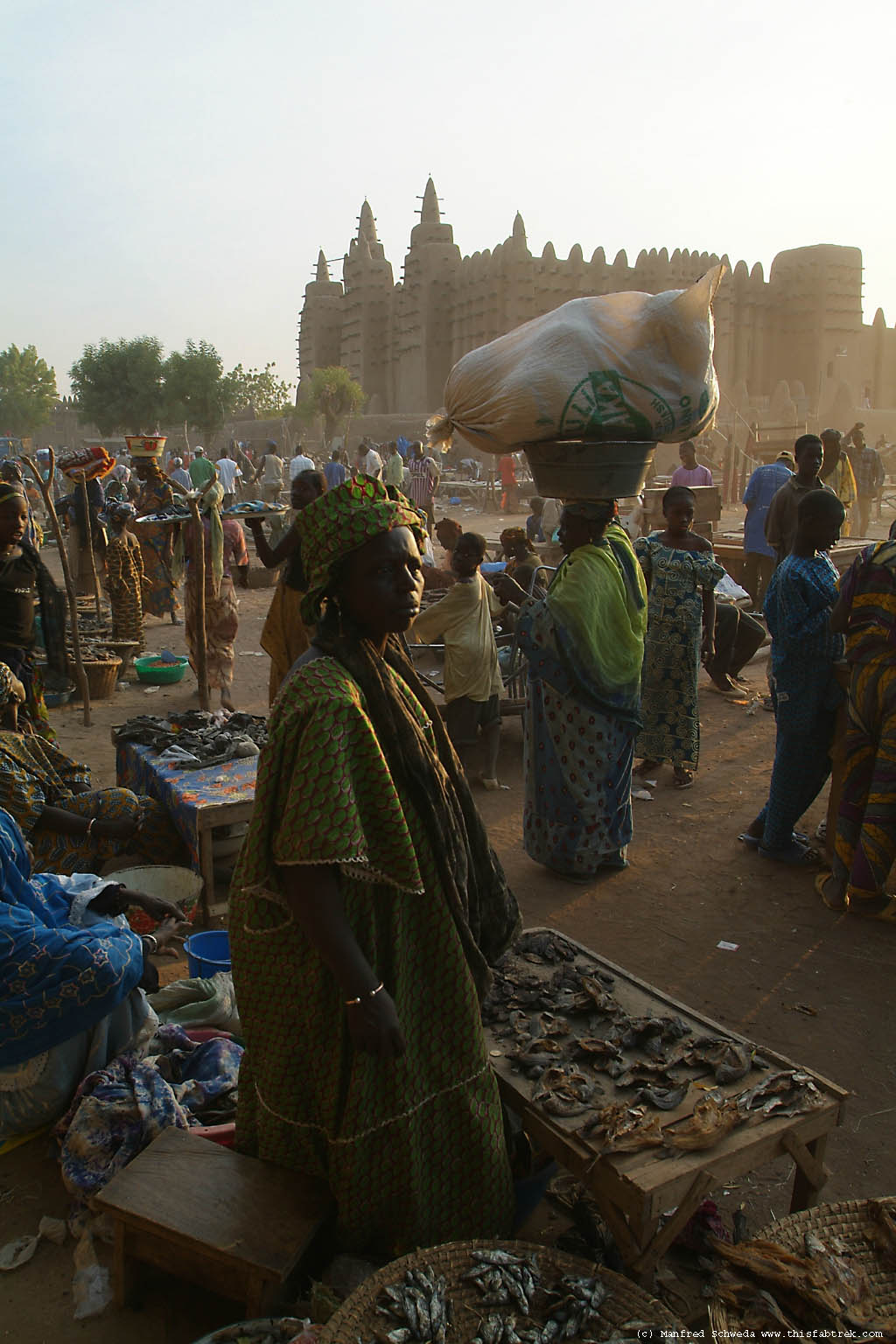
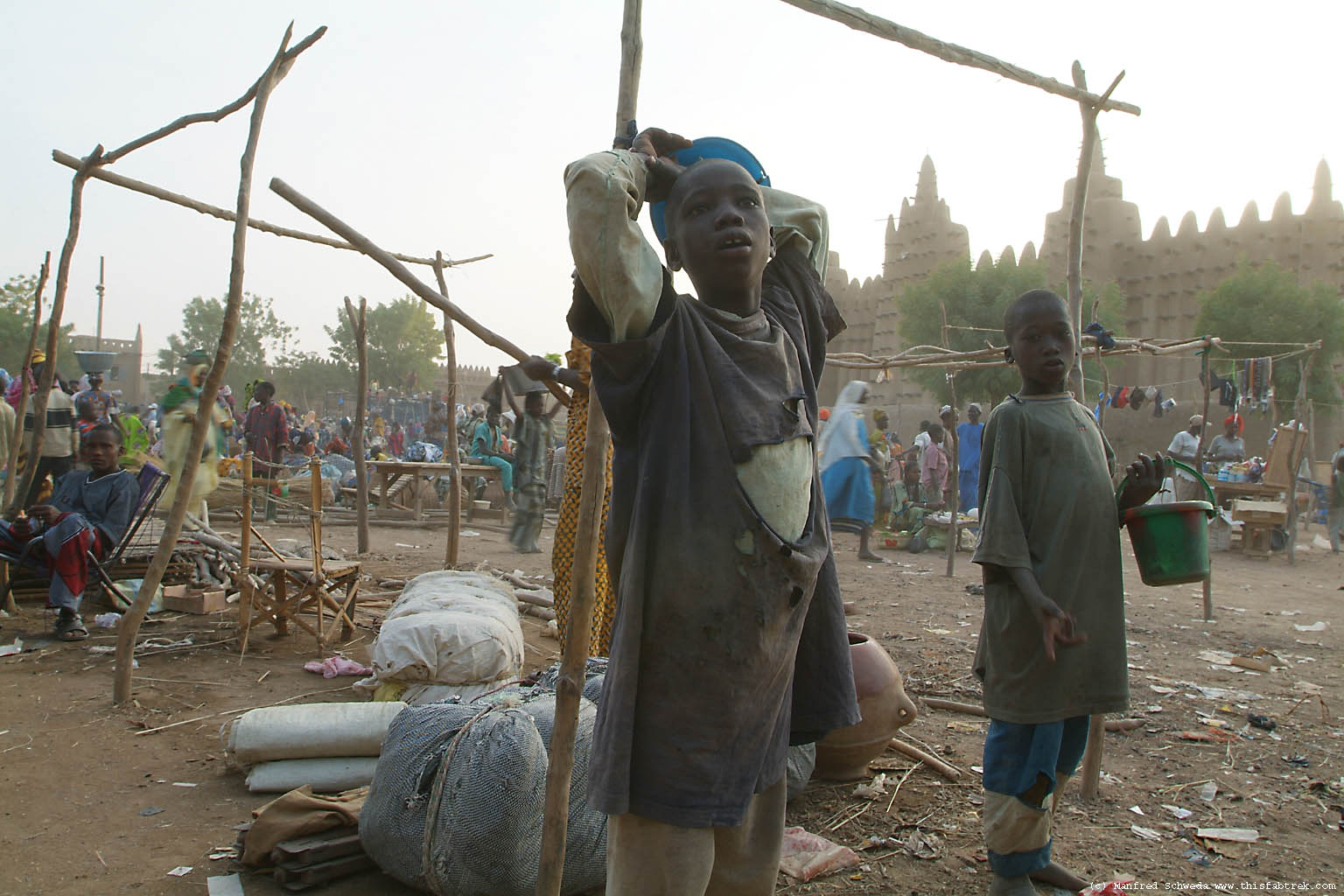
It takes us, just driving not visiting any sites, 3 days to get through Dogon. Passing Bandiagara and Mopti we reach Djénné (wiki) on 23rd of Jan late afternoon. It is the right time, Monday 4 o'clock and Monday is the grande market in front of the most famous and beautiful mosque in West Africa.
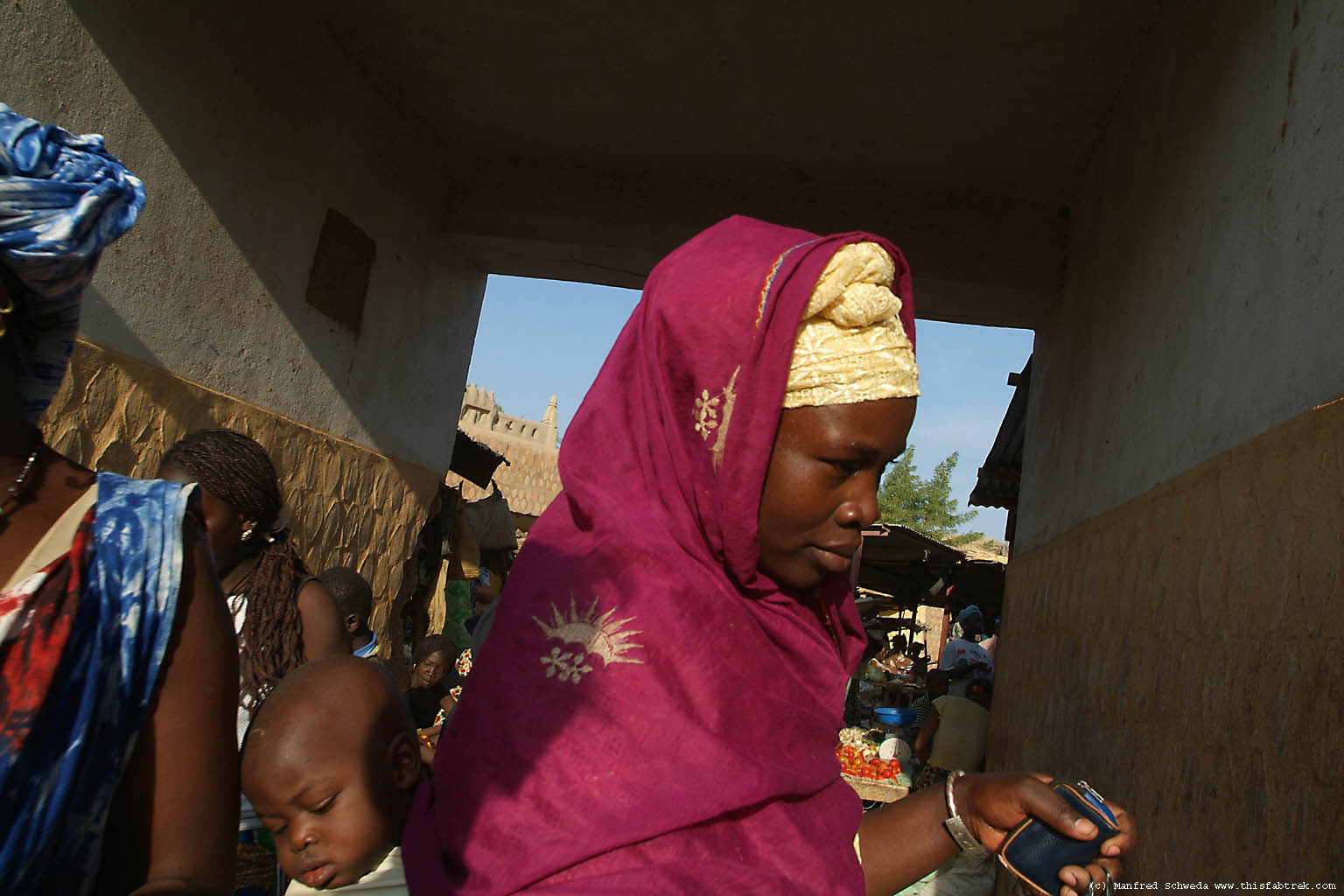
And markets in Africa have something special, in terms of colours, earth connection, dustiness but also in terms of flavour, taste and spice. Djénné is busy but laid back about tourists. It is a prime centre and attracts a fair amount and the local population seems to get on well with this fact.
Again a fascinating little town, one to come back for, for sure.
We arrive back in Segou Tuesday 24th.
www.thisfabtrek.com > journey > africa > mali > 20060123-djenne